Protection
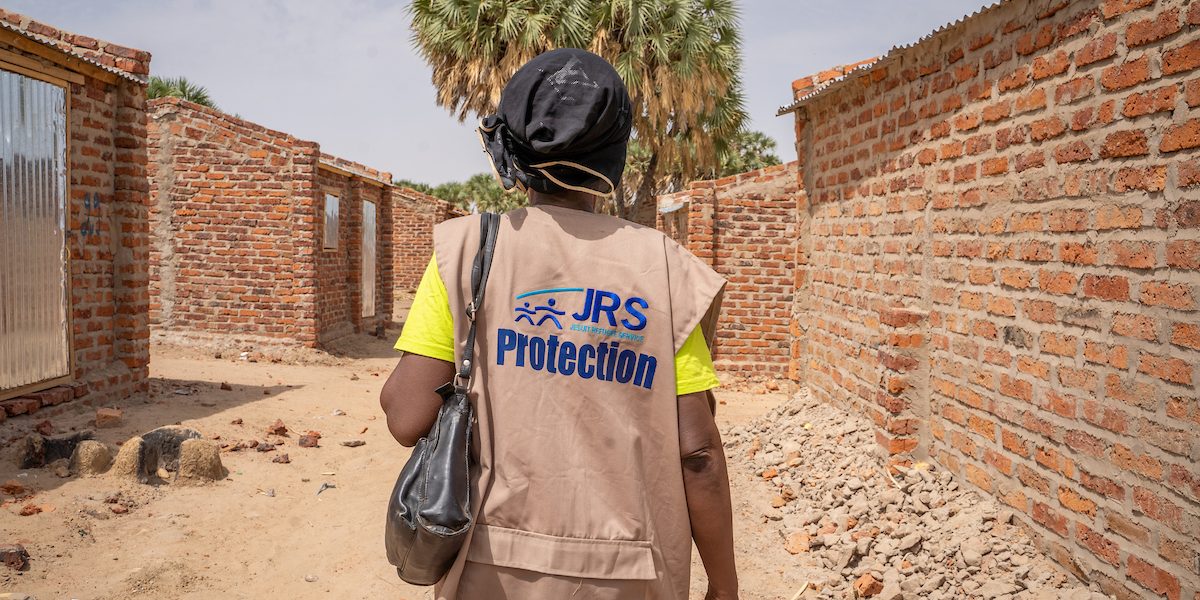
JRS’s protection work is about making sure that forcibly displaced people are safe, treated with dignity, and able to enjoy their rights.
Protection is at the heart of JRS’s mission. In a world where fear and discrimination increasingly shape how forcibly displaced people are treated, many face serious dangers and “fall through the cracks” of systems that should protect them. They may be at risk on their journeys, in camps or informal settlements, in detention, or in host communities.
Protection matters because it can save lives, especially when people face threats to their safety, health and wellbeing. It also defends basic human rights, which are often ignored or violated during displacement. Without safety and protection, other kinds of support cannot really succeed or last. Good protection work responds to urgent needs while also challenging the deeper problems that keep people vulnerable. Above all, it makes sure that any help offered respects people’s dignity and humanity.
JRS’s approach
JRS’s approach to protection grows out of our commitment to accompaniment and shared humanity. We believe protection starts with walking alongside refugees, listening to their stories and making sure their concerns shape our response.
Our work is participatory: displaced people and their communities are involved in identifying risks and deciding how best to address them. We place human rights at the centre of everything we do, drawing on international law and humanitarian principles to guide our actions.
We actively challenge discrimination, whether based on age, gender, disability, nationality, or any other factor, and we focus on the whole person: their physical safety, emotional wellbeing, legal situation and ability to take part in community life.
Protection mechanisms are rooted in and strengthened by community structures, so that families, neighbours and local leaders are part of keeping each other safe. Our aim is always inclusion: we want refugees and other displaced people to access their rights and participate fully in society.
What we do
JRS’s protection activities vary by country and context, but they often include:
- Legal advice and assistance: helping people understand their rights, obtain or renew documents, and navigate asylum or other legal procedures so they are less exposed to arrest, detention or exploitation.
- Support for survivors and prevention of gender-based violence: working to prevent violence against women, men, girls and boys; providing safe spaces, psychological and social support, and referrals to health, legal and other specialised services when abuse occurs.
- Child protection: identifying and supporting children at risk, including unaccompanied or separated children, and working with families, schools and communities to create safer environments for all children.
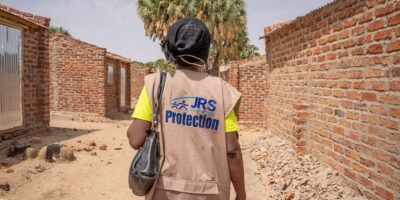
- Detention monitoring and support: visiting people held in immigration or other forms of detention, monitoring their conditions, offering legal and psychosocial support, and advocating for alternatives to detention wherever possible.
Across all these areas, JRS works closely with communities, local organisations, faith-based groups and authorities to build safer environments for refugees and host communities alike, so that every person can live with greater security, dignity and hope.
Programme Stories
The role of faith-based organisations in refugee protection
13 October 2026
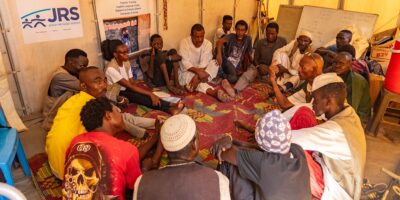

Protection in action: voices from JRS projects
17 August 2026
Amid rising anti-migrant tensions in South Africa, JRS stands with refugees and migrants
24 July 2026
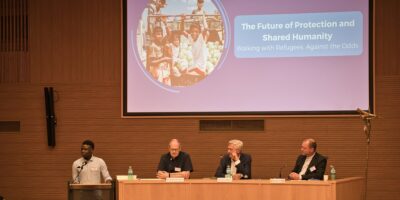
Event: The Future of Protection and Shared Humanity
06 July 2026