Four inspiring stories of refugee women building hope in their communities
08 March 2026
Women and girls who flee war and violence are not only survivors of displacement or refugees; they are unique individuals with a story, a future, and immense potential.
Today, we are shining a spotlight on four stories of women who have been part of JRS Projects around the world.
Despite immense challenges, they have found inspiring and courageous ways to rebuild their lives and support their communities.
Meet Nawal: restoring the hope of young refugees
Forced to flee her home in Sudan, Nawal arrived in Kakuma Refugee Camp as a young girl. There, she witnessed the injustice of limited access to opportunities for young people.
Many were dropping out of school, turning to crime, or simply giving up because they did not know how to access scholarships, jobs, or training programmes.
Determined to change this reality, she created a grassroots mentoring movement to support and inspire other young people not to lose hope and to build the lives they want.
“We started in our own school, now we are reaching the whole community.”
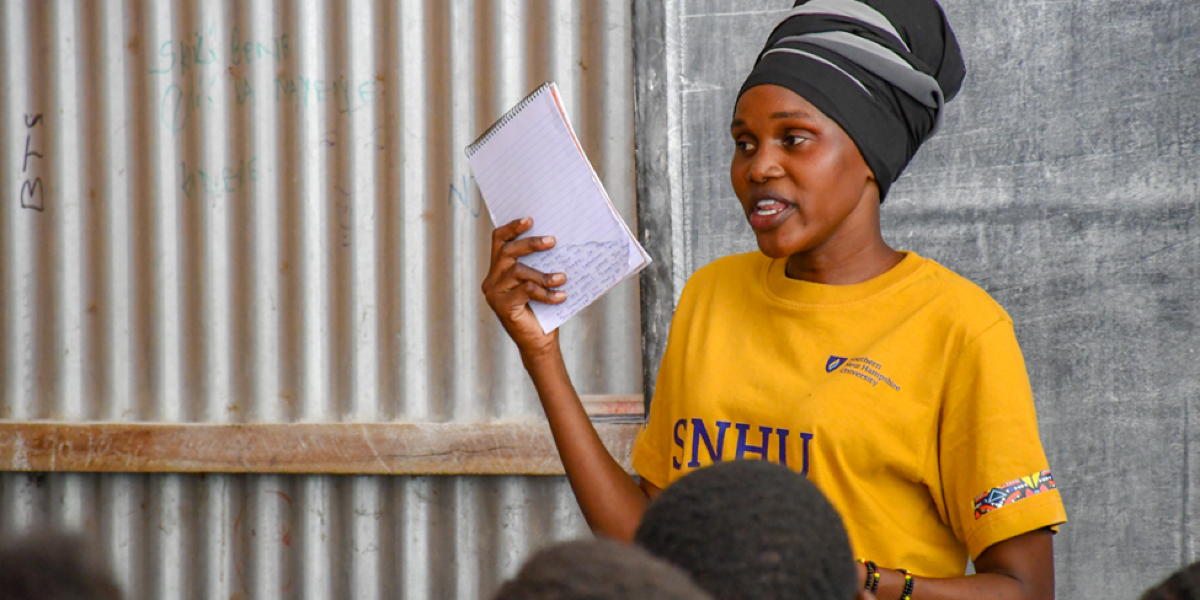
Each week, Nawal devotes her time to mentoring students, teaching them how to apply for opportunities, believe in themselves, and navigate the challenges of camp life. Her impact is not measured in certificates, but in the voices of young people who now believe they can succeed.
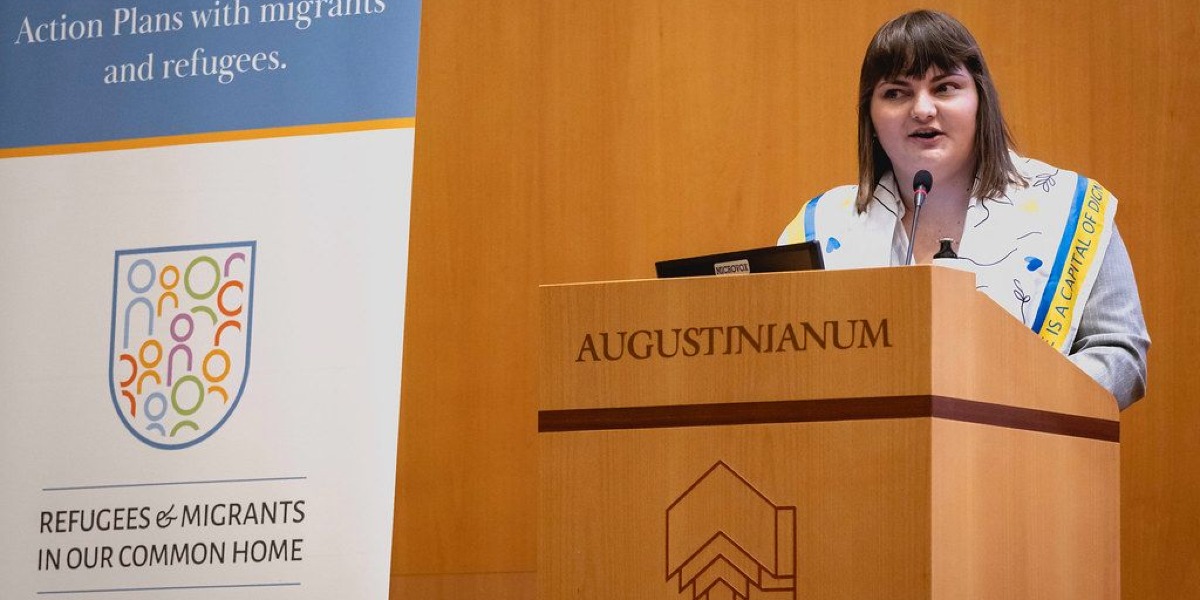
Meet Viktoriia: turning pain into purpose
Until 24 February 2022, Viktoriia lived with her parents in their apartment in Kherson. She was in the fourth year of her Bachelor’s degree in Law when the escalation of the conflict in Ukraine forced her to leave her country. “In 30 minutes, I had to fit my entire life into a few suitcases.”
Her father remained in Ukraine, while she and the rest of her family headed for the border. They spent five days waiting in car line at the Polish border, without food, water, or rest. After a short stay in Poland, they continued their journey to Lithuania.
There, she realised she wanted to dedicate her life to supporting forcibly displaced people around the world. She resumed her law studies, focusing particularly on international humanitarian law, refugee law, and the protection of human rights, and she began working with NGOs advocating for the rights of refugees.
“Hope for me is also the power to turn my pain into purpose, and my fear into service for others.”
Meet Nora: healing while helping others heal
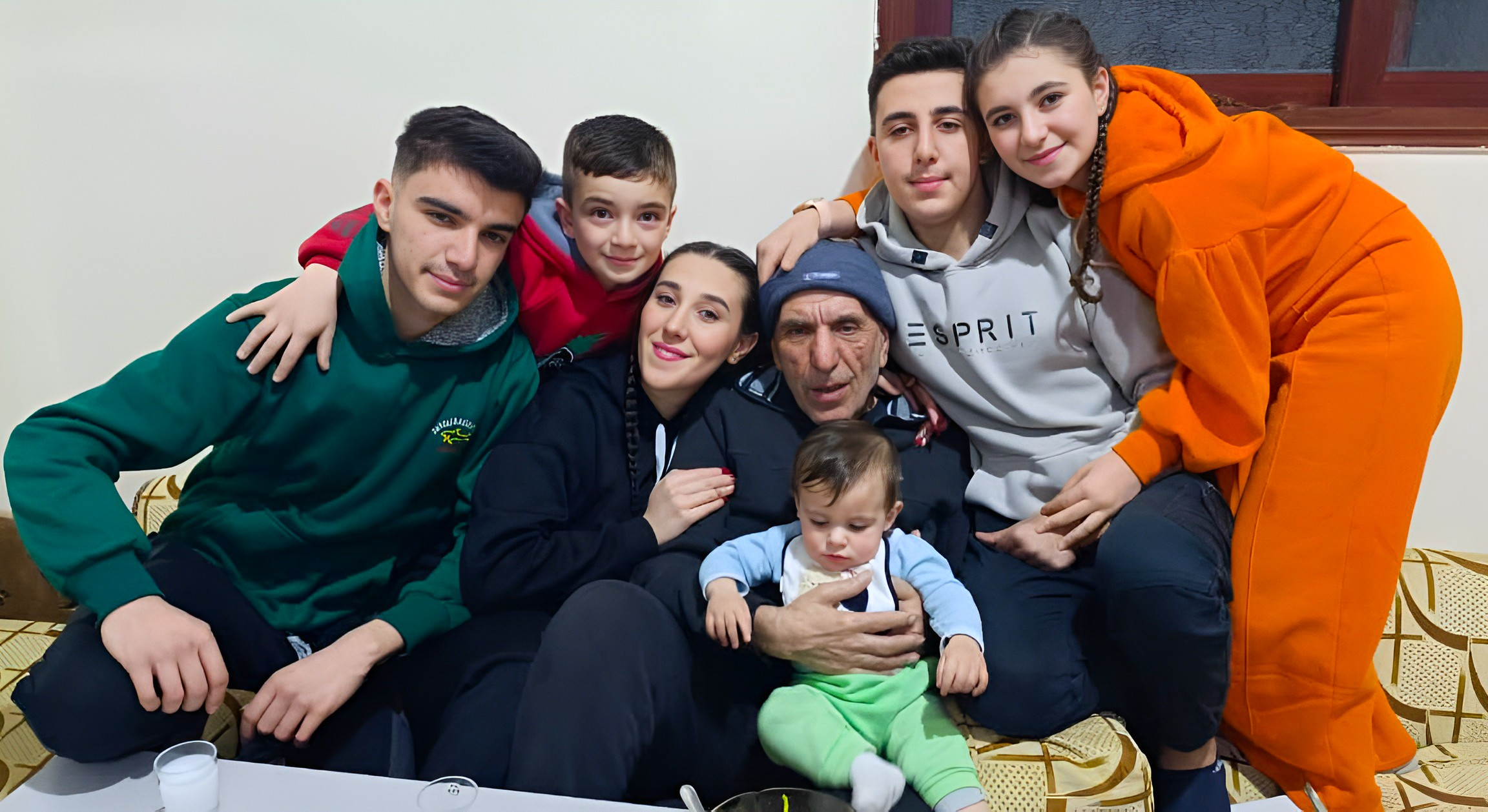
Nora is originally from Qusayr, a town in Homs, Syria. She was only ten years old when her father was imprisoned. With no financial support, her mother worked tirelessly to provide for the family.
In 2011, the war broke out, and her husband was also arrested and killed, leaving her alone with three children. “That was the hardest day of my life.”
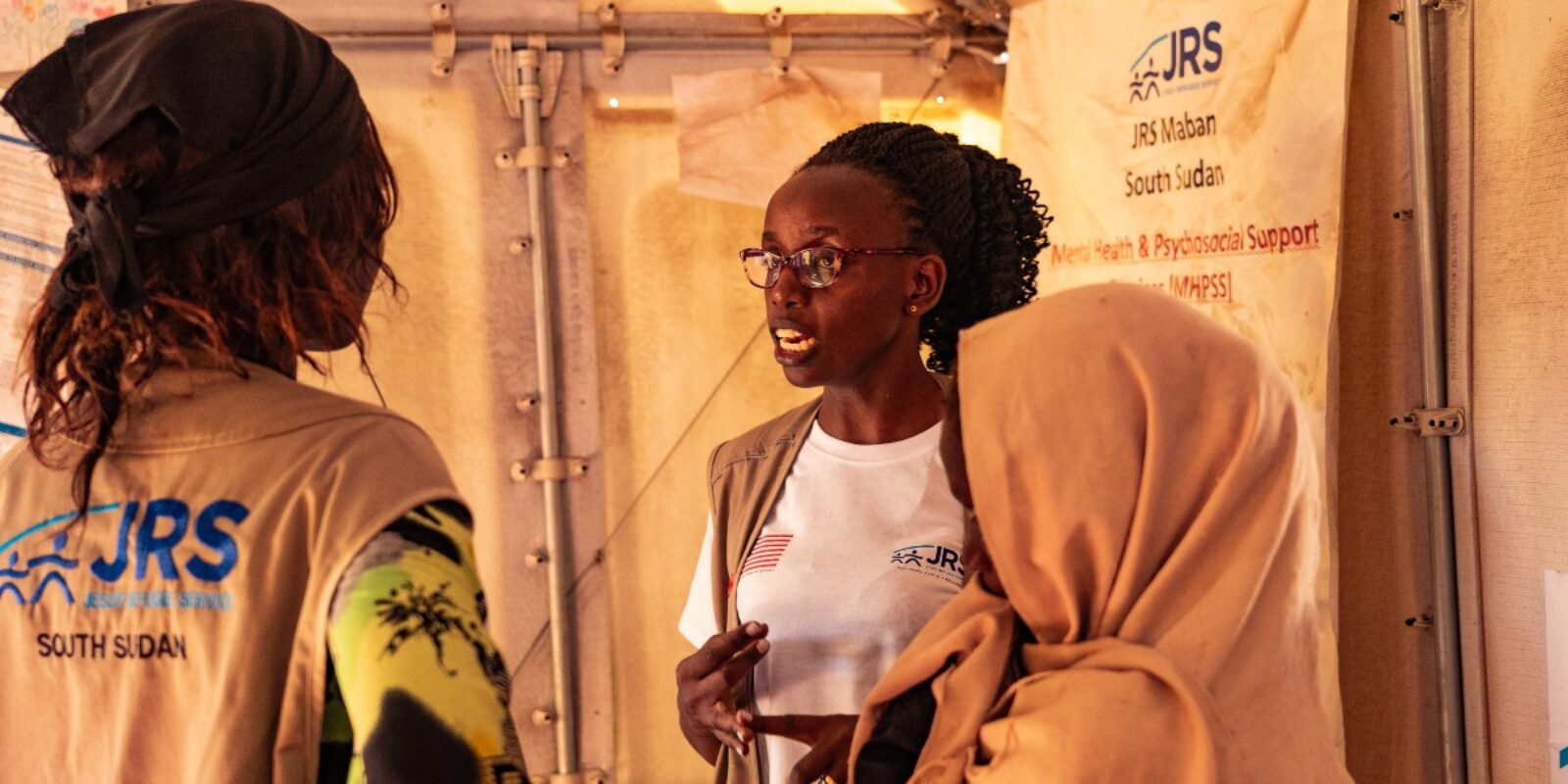
She first encountered JRS at the Beit Alberto Centre in Jaramana, Damascus. What began as volunteering soon led her to join the outreach team. This marked a turning point in her life.
With the stability and support provided by her job, she was able to find a home and enrol her children in school, ensuring they received the education they deserved. But beyond supporting her family, Nora also found solace and a sense of purpose in helping others.
Meet Hamida, Manasik, Amna, Needa, and Sarah: building communities of belonging
Five women, from different countries and with different stories and cultural backgrounds, found refuge in Jordan and took part in JRS programmes.
Today, they contribute to the creation of more welcoming and inclusive communities through their participation in and organisation of initiatives that promote a multicultural environment in which every person feels welcomed, respected, and valued.
“I realised that defending or advocating for the rights of refugees, or for human beings, is not limited to organisations only. As individual I can create change,” Needa, JRS Jordan Refugee Committee Member.
The stories of Nawal, Viktoriia, Nora, Hamida, Manasik, Amna, Needa, and Sarah show that when refugee women are supported, they transform not only their own lives, but the lives of those around them.
Explore more