Choose peace: JRS appeals to end widespread violence in Lebanon
16 April 2026
The Jesuit Refugee Service (JRS) calls on global leaders to enforce International Humanitarian Law (IHL) in efforts to end the violence in Lebanon and the Middle East, which is exacting an unacceptable toll in the killing of innocent civilians and the shattering and dispossession of entire communities, with mass forced displacement.
A conflict with no end in sight
Despite the extensive efforts to secure a ceasefire among all parties involved in the regional conflict, Israel has continued to carry out incursions and bombings in Lebanon. On 8 April, in just eight minutes, more than 100 bombs were dropped on Lebanon, including the capital Beirut, killing at least 357 people and injuring 1,223 others, thereby placing ceasefire efforts at significant risk.
Since 2 March, the overall death toll has risen to more than 2,167 people, including 172 children, with over 7,000 injured. Southern Lebanon is now completely inaccessible.
The human cost of war in Lebanon
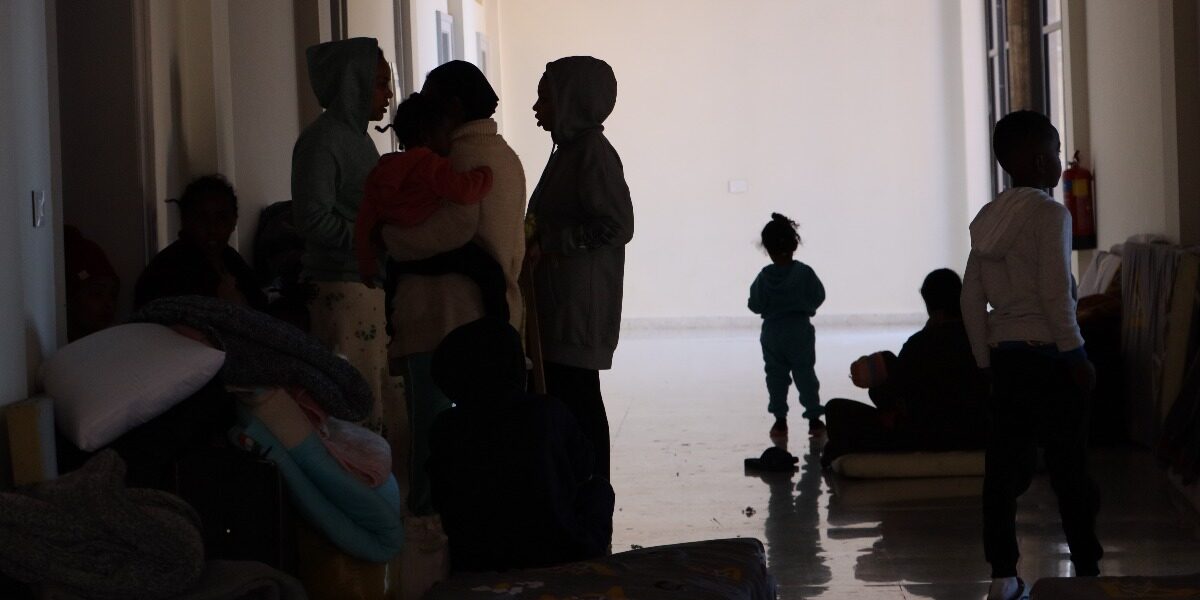
An estimated 1.2 million people have been displaced by the conflict, around 88% of whom are currently living outside formal shelters. Children are in urgent need of education and psychosocial support. With more than 600 schools being used as shelters, hundreds of thousands are at risk of not completing the school year.
At JRS, we witness every day the devastating impact of the conflict on those who are most vulnerable. Lebanon, which already hosts one of the largest refugee populations per capita in the world, is facing compounding challenges as refugees and migrants encounter persistent barriers in accessing essential services.
This is the second war in the country in less than two years, and the repeated cycles of conflict and displacement are causing intensely harmful psychological distress. Families live in constant fear; children are unable to sleep; parents are struggling to provide even basic levels of safety. Protection risks are increasing, while Lebanon’s socioeconomic situation and people’s livelihoods are being severely affected.
Meanwhile, humanitarian needs are rising rapidly, particularly in relation to emergency shelter, food assistance, mobile healthcare, and specialised psychosocial support, far outstripping the resources available.
How JRS is responding to the crisis in Lebanon
In Beirut, JRS has reopened the doors of the Jesuit church of St. Joseph welcoming migrants from across the country. In addition to meeting the immediate basic needs of migrants, JRS is implementing a comprehensive, multi-layered response, adapting programmes to ensure continuous support for the vulnerable communities we serve.
We distribute food and hygiene kits to displaced people who are residing in and outside the collective shelters, and we continue to accompany the Syrian refugee population and vulnerable Lebanese families across the country through psychosocial support activities, case management, and online learning.
A call for peace and the protection of civilians in Lebanon
Grounded in Catholic social teaching that affirms the inherent dignity of each and every human person, we plead for the protection of civilians first and foremost and echo the urgent call to build lasting peace through diplomacy rather than lethal force.
JRS voices special concern about the critical need to ensure the delivery of humanitarian aid to the people surviving the ongoing violence in the south of Lebanon, and all those who are forcibly displaced, whether Lebanese people uprooted from their homes due to this conflict or refugees and migrant workers from southern Lebanon and other parts of the country.
Appalled by all this destruction, we unite with Pope Leo in stating that God does not answer the prayers of those who wage war. JRS joins his constant call for peace and dialogue over useless destruction.
Explore more