Middle East Crisis
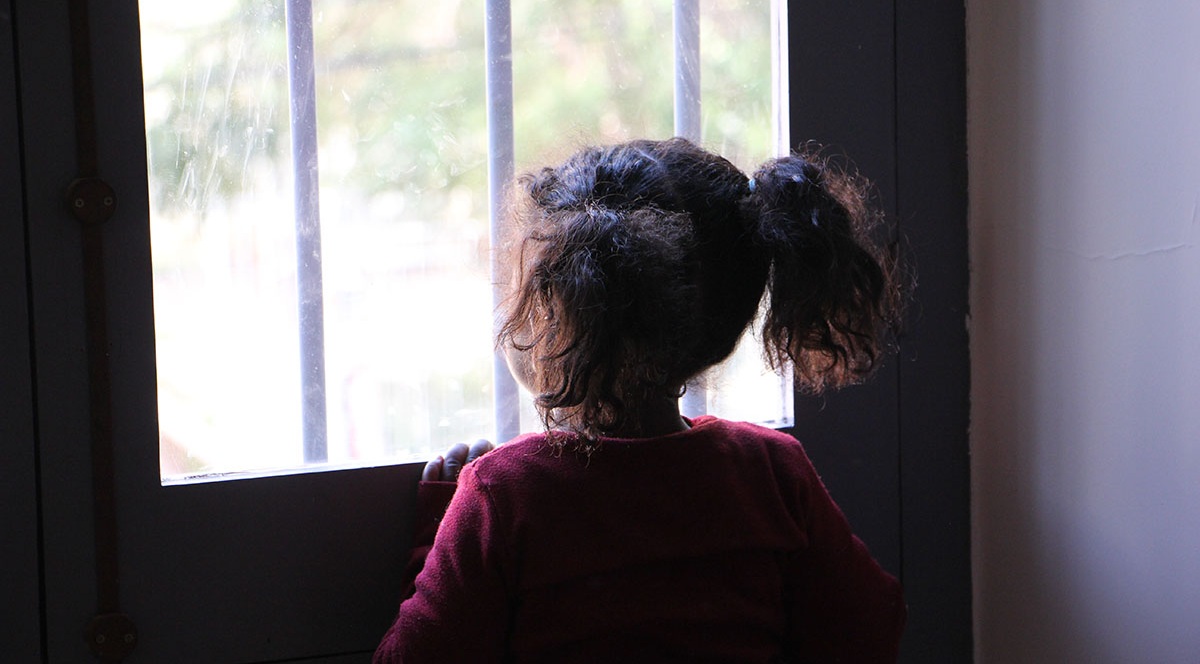
Since the renewed escalation of violence in the Middle East region, more than one million people have been forced to flee their homes in Lebanon.
As the situation continues to evolve, JRS remains committed to accompanying those most in need.
How is JRS responding?
Providing shelter to displaced migrant workers
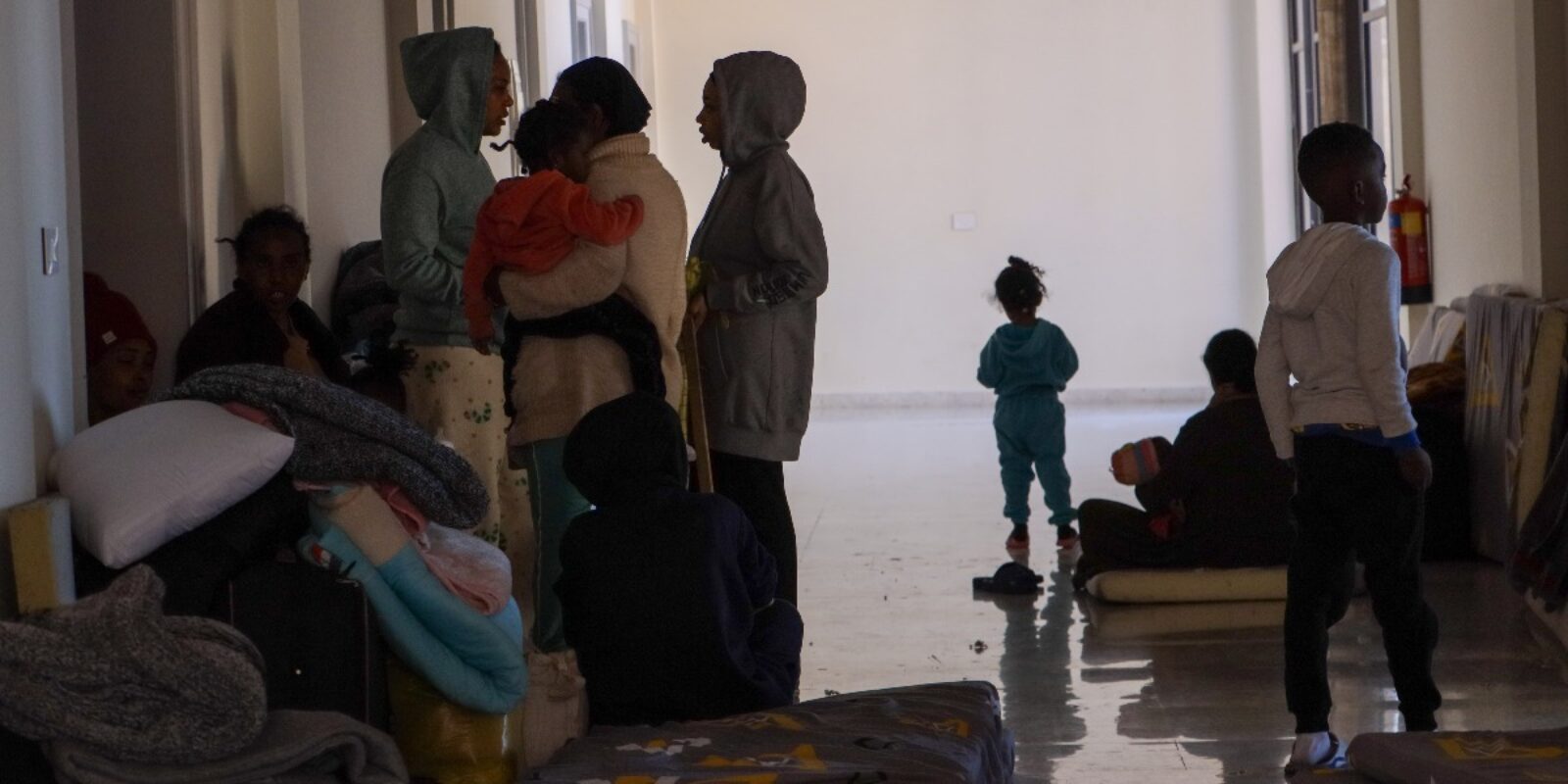
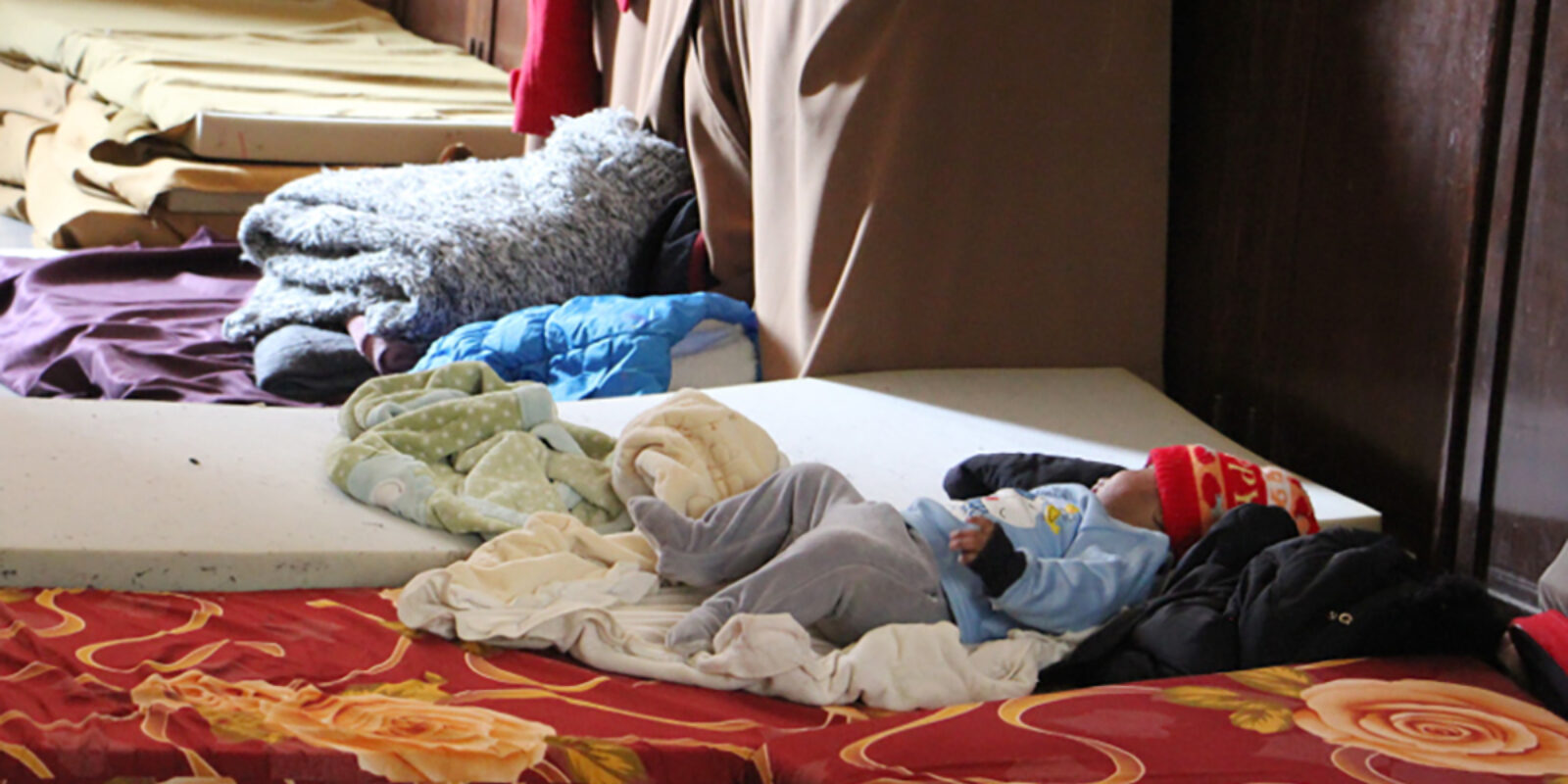
JRS has reopened the doors of the Jesuit church of St. Joseph in Beirut to migrants seeking a place to stay.

In addition to meeting the immediate basic needs of migrants, JRS is implementing a comprehensive package of protection interventions, including group awareness sessions, structured psychosocial support activities, individual psychological counselling, case management, and legal assistance.
A key strength of the response remains the high level of coordination with external partners, ensuring that residents can access a broad range of complementary services beyond those directly delivered by JRS.
Distributing food and hygiene items to internally displaced people
JRS has launched the distribution of food baskets, hygiene kits, and menstrual hygiene kits to internally displaced families across multiple locations in Lebanon. These distributions are implemented in close coordination with national and local focal points, ensuring alignment with sectoral standards and guidance.

In addition to material assistance, JRS is providing informational materials designed to support individuals and families in coping with the stress of conflict and displacement, including practical guidance for caregivers on supporting children during periods of crisis. These materials also include key contact information for specialised services and referral pathways.
Current distributions are primarily targeting families residing in collective shelters, where needs remain particularly acute.
Resuming educational and psychosocial activities online
Despite the challenges posed by the ongoing conflict, JRS has ensured the rapid resumption of regular programming, primarily online.
Education activities across all locations have resumed, alongside Mental Health and Psychosocial Support (MHPSS) and youth engagement interventions, maintaining continuity of care and support for children and young people.

The adaptation of livelihoods programming remains under review, with ongoing planning to ensure relevance and feasibility within the current context. In the meantime, women previously enrolled in livelihoods activities continue to receive case management and psychosocial support through the MHPSS team.
Your donation enables us to respond quickly to this new crisis and protect as many people as possible as it unfolds.
Read the latest news and stories from Lebanon