“Children should hold pencils, not knives”
10 February 2026


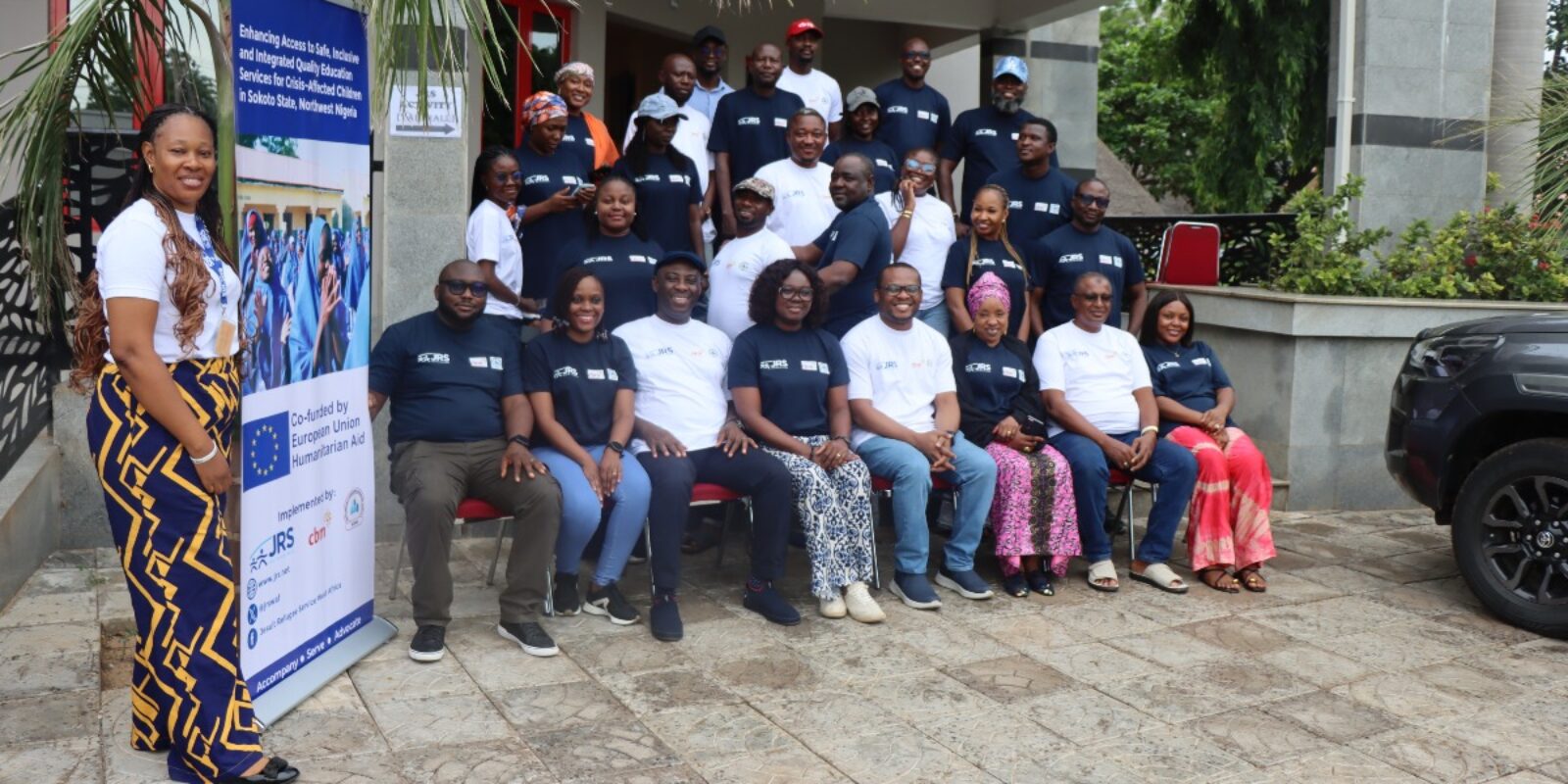
Testimony from Simeon, JRS Staff working for the project “Enhancing Access to Safe and Quality Education for Vulnerable, Conflict-Affected Children in Borno State, Northeast Nigeria” funded by European Union.
This morning, while I was on my way to work with a colleague, I saw two children arguing. They couldn’t have been more than ten years old. They were standing opposite each other on the edge of a busy road. I don’t know what triggered their argument, but within seconds one of them reached into his pocket and pulled out a knife, pointing it at the other boy’s stomach.
His face, still so young, was hardened by anger. The other boy was frozen with fear.
For a moment, I couldn’t breathe. A child, barely able to write his own name, was holding a weapon as dangerous as that knife, as if it were the only way he knew how to protect himself. I rushed over. I took the boy who was holding the knife and sat down with him near a tea seller’s shop. I spoke to him about the dangers and the consequences that using that knife could have.
He was calm and felt sorry for his action. He promised he would never repeat such actions, but the question was: how sure can we be?
As a humanitarian worker, I reflected on how scenes like this have become normal in communities that are frightened and overwhelmed by violence. Here, children learn far too early how to fight, how to defend themselves, how to survive. But very few are given the chance simply to learn how to be children.
That boy should have been holding a pencil, not a knife.
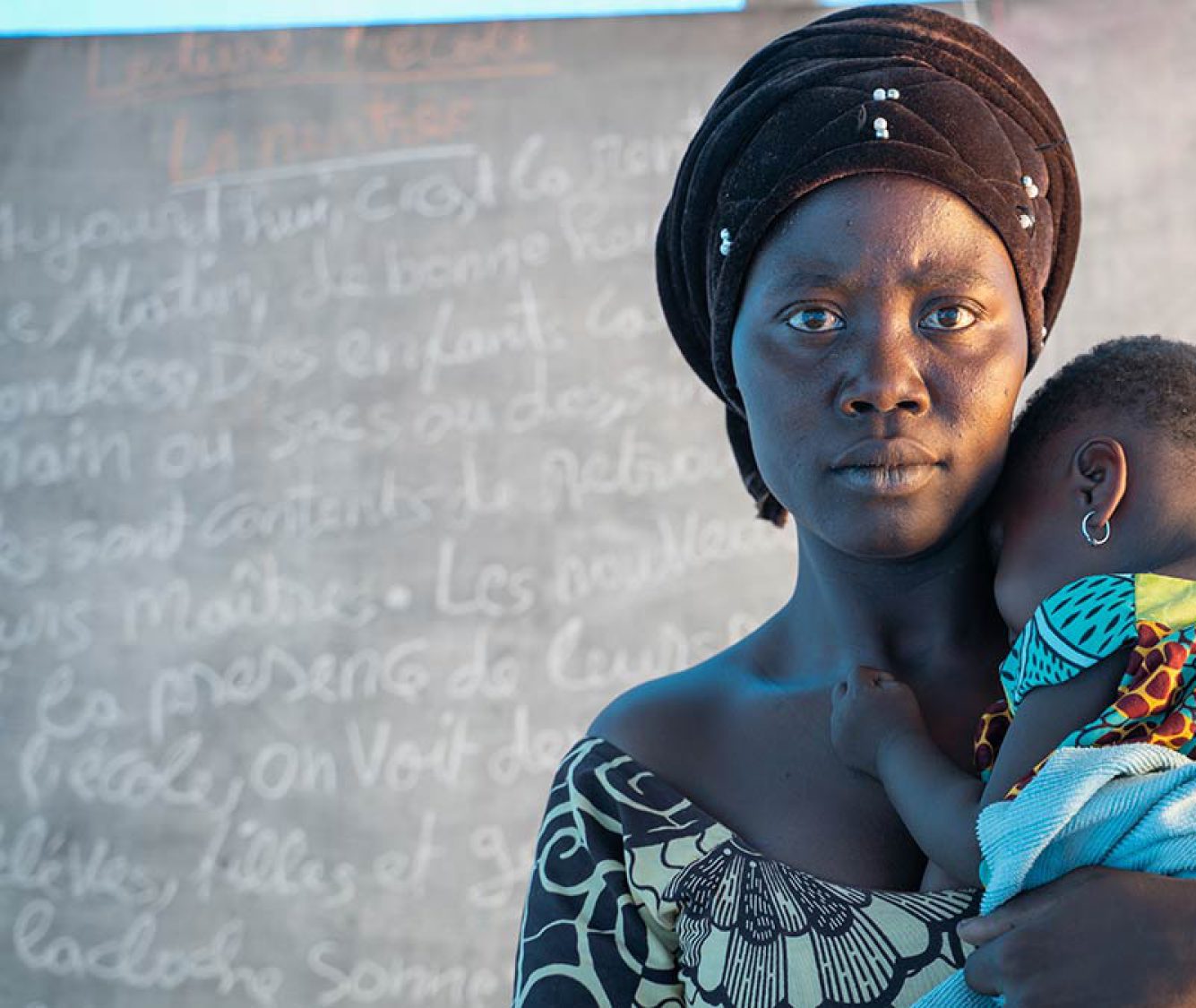
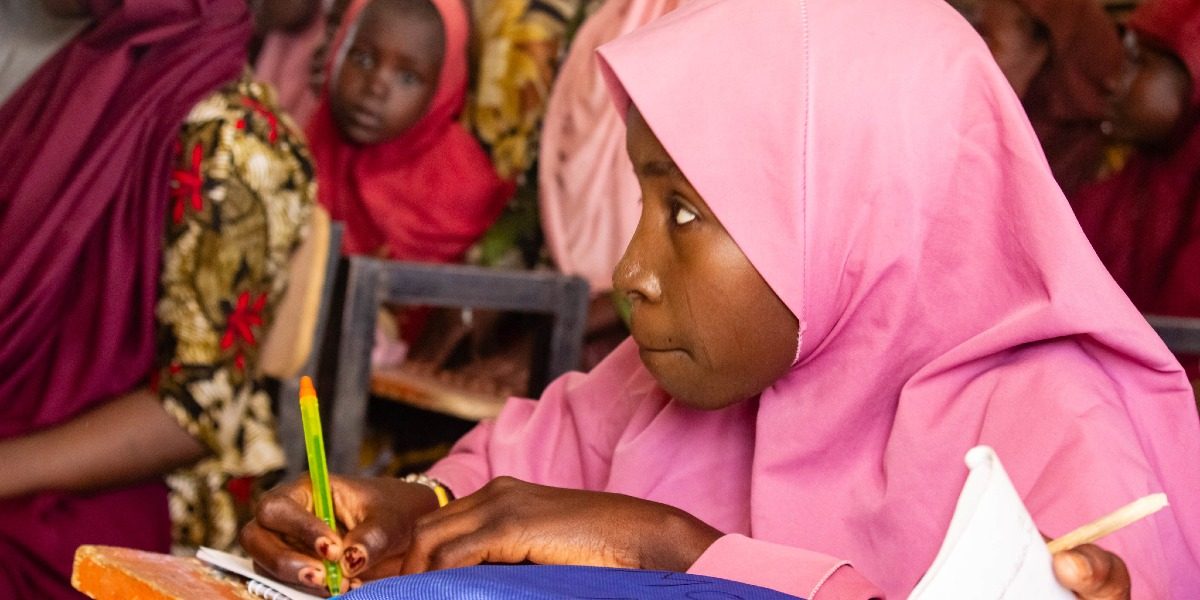
The reality is that years of conflict and displacement have left countless children out of school. Many teachers have fled. For many families, survival — the search for food, water and safety — comes first, while education feels like a distant luxury. In this context, children are left vulnerable to anger, manipulation and violence.
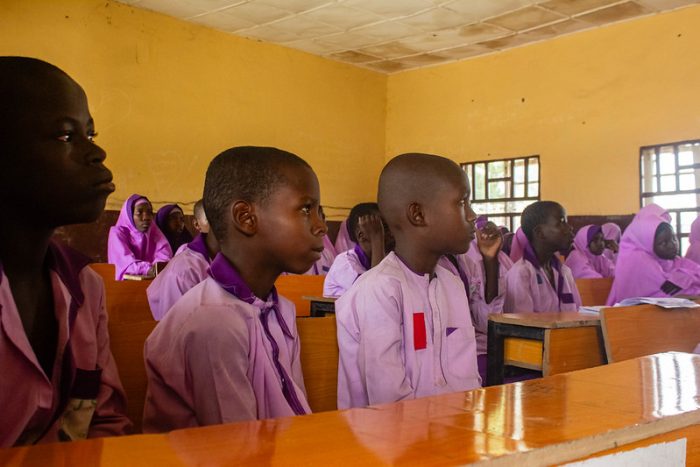
Thanks to the support of the European Union, JRS Nigeria, is trying to write a different story. We are creating spaces where children can return to the classroom, laugh again and learn again. We are also supporting adults by providing them with the resources they need to send their children to school.
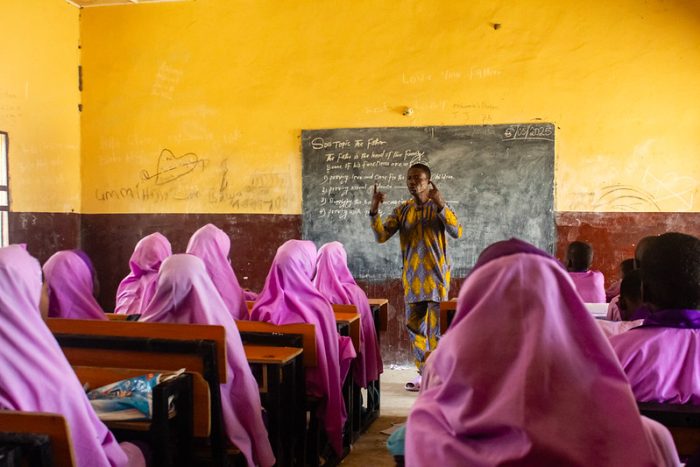
Education is not only about learning to read or to write; it gives hope. It restores a sense of normality in places where everything seems to have been destroyed.
As I walked away from that boy, with a heavy heart, I imagined him holding a pencil instead of a knife, curiosity replacing anger, and despair giving way to a world of possibilities ahead of him.
Children deserve safe places where they can dream and write their own future.
Explore more