Interview: Serving displaced people in Ukraine with compassion and hospitality
24 February 2026
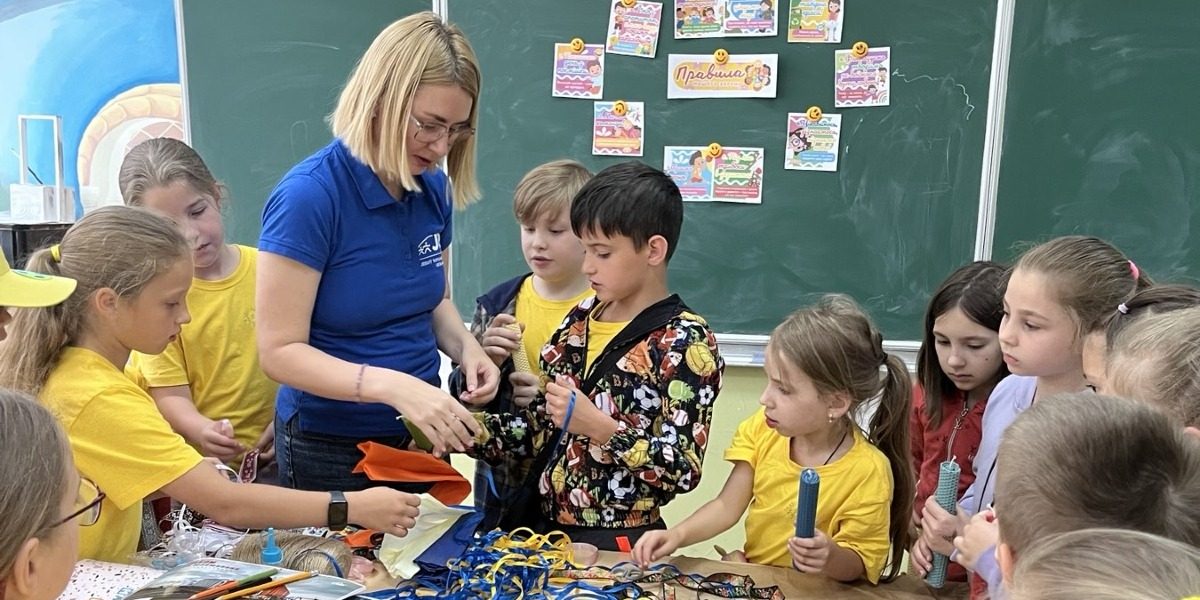
Four years since the Russia’s full-scale invasion of Ukraine, people continue to face dramatic consequences, exacerbated by the harsh winter and attacks on the country’s energy infrastructure.
In this context, we spoke with Olesia, who works with JRS Ukraine, supporting people forced to flee their homes. She reflects on how, in the face of such a dire situation, acts of compassion and hospitality heal the invisible wounds of Ukraine’s affected population.
What is the main challenge you face in your work in Ukraine?
Uncertainty. You never know what will happen tomorrow. While this is something people experience everywhere in the world, in Ukraine it is intensified by the ongoing war, constant missile strikes, repeated waves of displacement, power outages, and more.
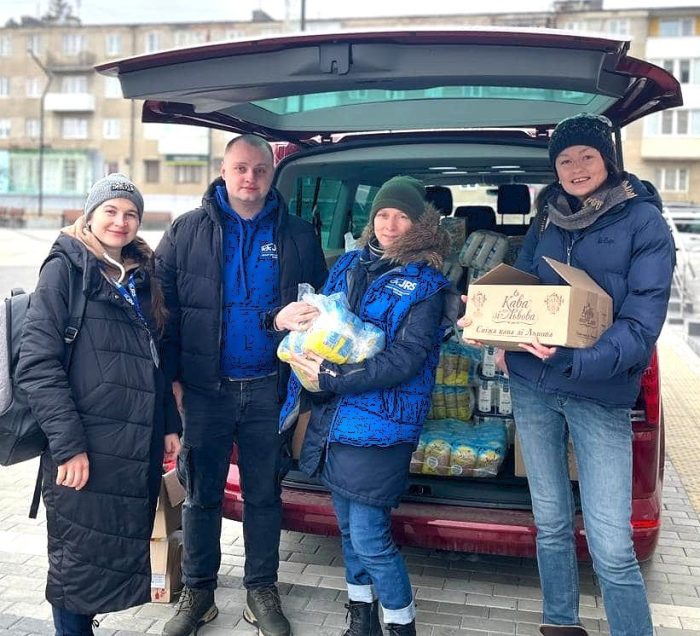
Even as we work toward long-term solutions, planning and strategising, the reality of displacement means that urgent needs often arise without warning, requiring us to adapt within the limits of available resources.
Which values guide you most in your daily work with displaced people in Ukraine?
Compassion and hospitality resonate with me the most.
It is easy to see refugees as “others”, even when they are people from your own country, as in the case with internally displaced people in Ukraine. They are new here: they don’t understand local jokes, they don’t know well-known cafés, and they may not even know what bus to take from the train station to the shelter, even if it is only a 15-minute walk.
What they do know is that they may never sleep in their own bed again, because their house was struck by a missile and no longer exists. They may never see their friends or relatives who stayed behind, serving to protect what remains of their lovely gardens. They also know they’ll have to rebuild their lives from scratch, and, along the way, learn something as ordinary as which bus to take to reach the shelter.
People carry far more than the suitcases they arrive with. For me, compassion and hospitality mean recognising this invisible weight and responding with humanity, patience, and respect.
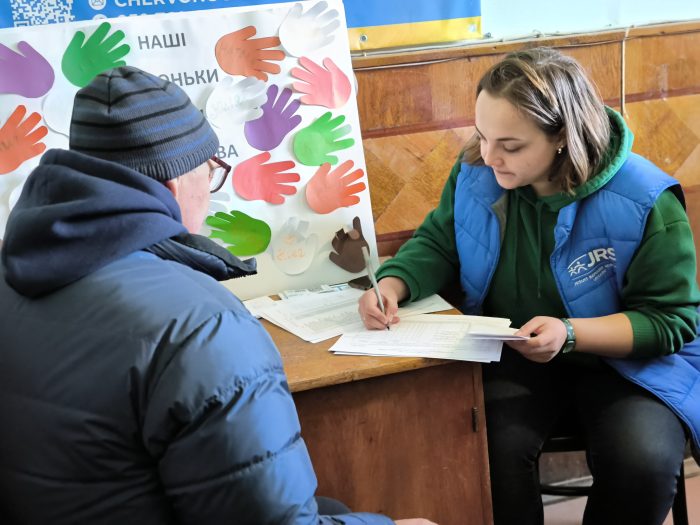
Living the values we uphold means paying close attention to everyday interactions and truly listening to people we serve. Ultimately, it is about making time to listen, being attentive to what people are really going through, and approaching every situation with humility and an open heart and mind. Even in fast-paced and often overwhelming contexts, people should feel seen and heard.
In this challenging moment, deeply affected by cuts to humanitarian aid funding, what signs of hope do you see on the horizon?
Despite everything, I hold on to great hope when I see the resilience, solidarity and civic commitment of Ukrainians. We serve, we donate, we volunteer, we support each other.
In the context of our work, I have met many people who come seeking emergency assistance, yet at the same time are deeply determined to remain active and useful: to study, to work, to volunteer, and to rebuild. They are often asking how they can support others despite their own problems.
This dual reality – one of vulnerability and strength – has been truly inspiring. The resilience and inner power of Ukrainians, together with the solidarity and support we get from the international friends of Ukraine, is what keeps my hopes high. In the end, good should always prevail over evil.
Explore more