How sport is bringing refugees and host communities together in Ethiopia
26 February 2026
The JRS Peace Artisans project is promoting harmony between refugees and host communities in Ethiopia, particularly in Addis Ababa and three Dollo Ado camps, home to over 100,000 Somali refugees. With people from different communities, tribes and religious beliefs living together in situations with limited resources, conflicts and disputes often arise, sometimes even leading to violent acts.
By engaging community leaders, women’s associations, youth groups, teachers, and local authorities, the JRS teams helped the refugee and host communities establish local conflict-resolution mechanisms and communal dialogue, ultimately fostering peaceful relationships.
In Dollo Ado, JRS worked directly with 400 to 500 leaders and association members, impacting thousands in school and communities. Youth peace clubs and mediation groups provided spaces for dialogue addressing gender-based violence and marginalisation, particularly for women and youth.
“To be honest, earlier on, only a handful of elders – about four – were responsible for solving conflicts within the community. Now, mothers and youth are actively participating. I had never witnessed a woman being involved in the reconciliation process alongside men, but now we have all been trained and stand united in this effort”, says Noor File Abdullahi, a community leader.
Reconciliation training conducted by JRS in collaboration with Live for Generation Organization (L4G), equipped refugee and host community youth in Addis Ababa with essential skills in facilitation, conflict transformation, trust building, and effective communication, empowering them to become catalysts for peace in their communities.
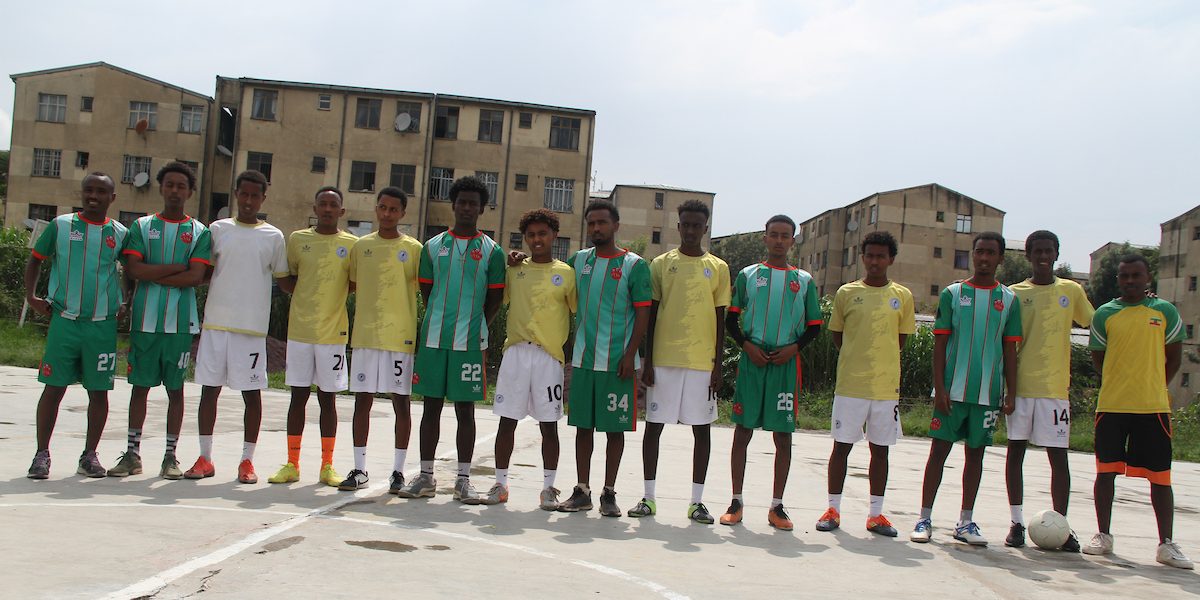
Together with reconciliation activities, sport also became an opportunity to foster social cohesion. Friendly tournaments served as spaces of encounter where youth from different communities started to build trust among themselves, with sports activities helping them to break down prevalent stereotypes and to dispel misconceptions that previously soured relationships.
This programme was supported by the German Federal Foreign Office through ifa (Institut für Auslandsbeziehungen) under its ZIVIK funding programme.
Explore more