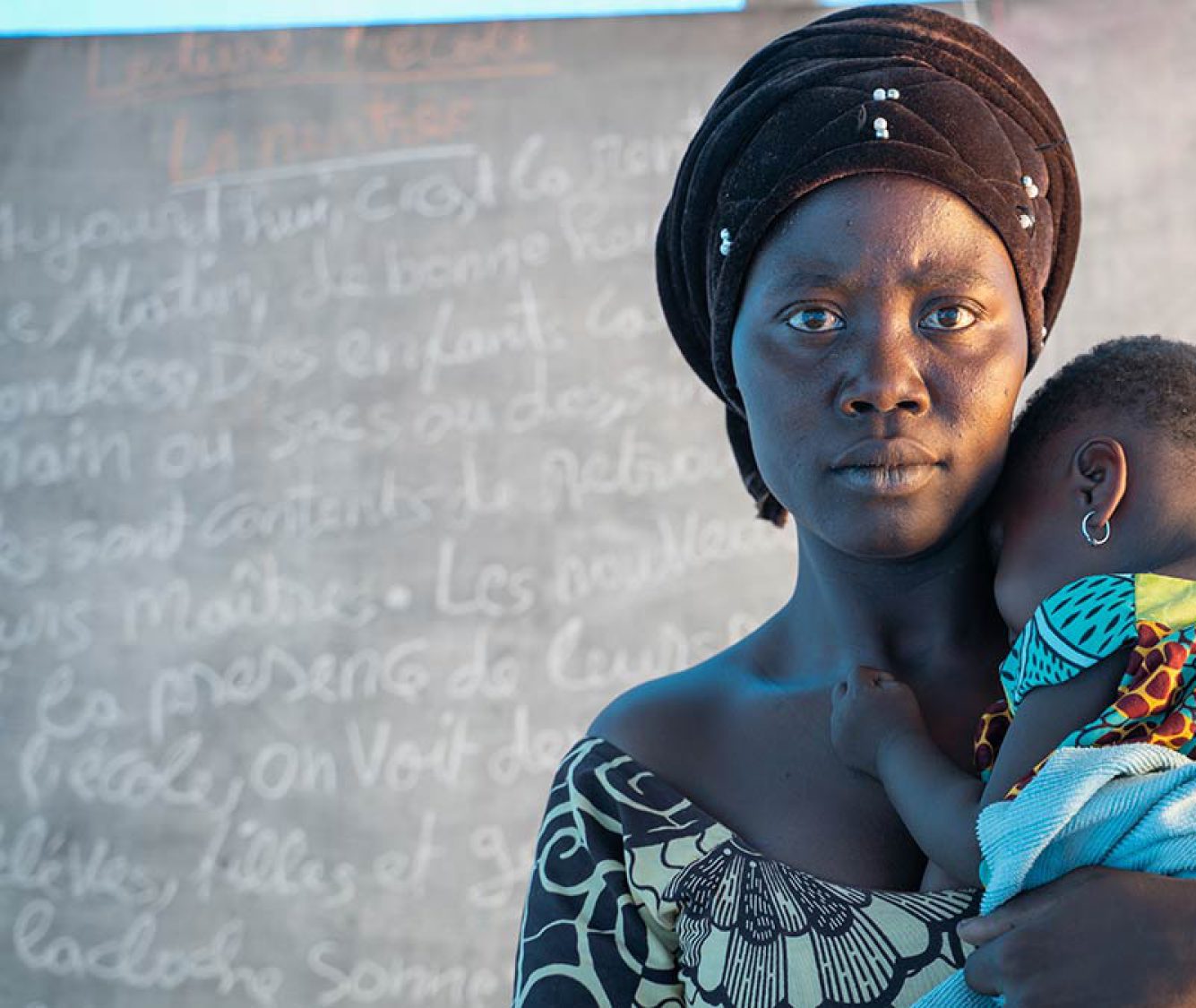
From Rome to the frontiers of the world: a mission at the service of refugees
07 May 2026
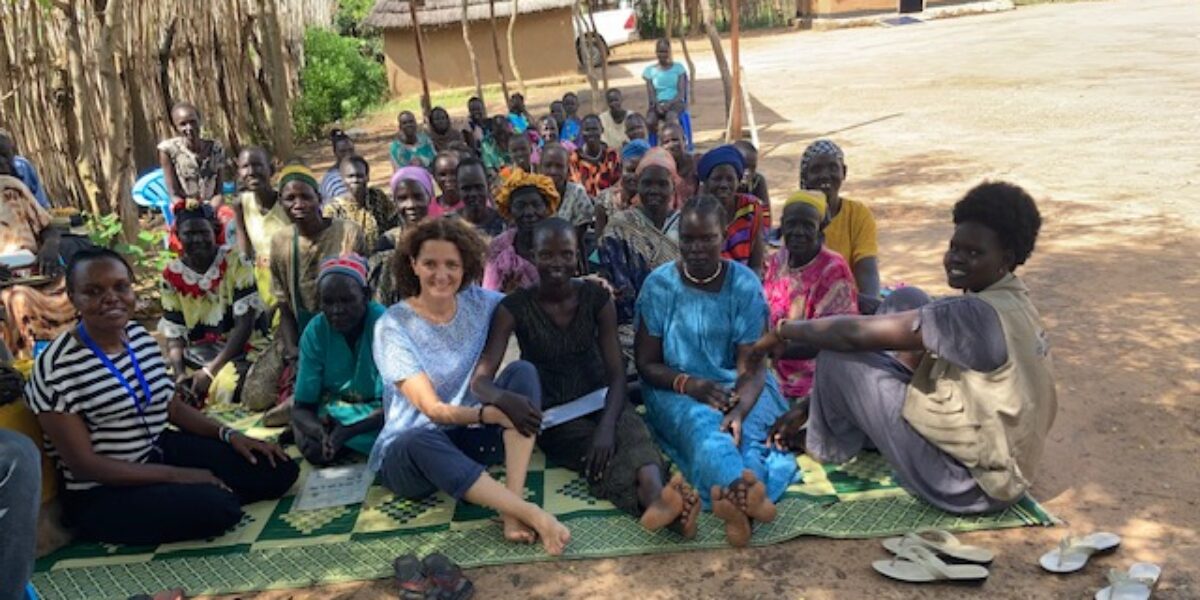
As part of the “Invisible Disciples” project of the Secretariat for the Service of Faith, this interview highlights the often unseen witness of women who live out the Gospel through their silent service. In this conversation, Cecilia Bock, who works with JRS, reflects on her vocation and commitment to accompanying refugees and displaced persons in different regions of the world. Her experience reveals how compassion, listening and perseverance become concrete forms of faith in action.
Can you tell us how your vocation came about and how your current mission reflects the desire to “serve in silence” that the “Invisible Disciples” project aims to highlight?
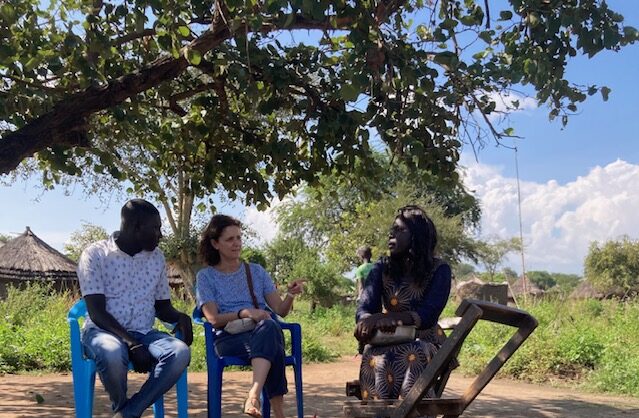
Imagine a modestly dressed woman standing on red earth, surrounded by drafts of wind and crowds of people walking along the road, because there are few cars there, and rows of huge mango trees dusted by the dry season. During one of my first Needs Assessment visits to South Sudan, that woman told a young girl, who could have been her daughter, not to forget her, not to forget them, because she saw so many humanitarian workers like me coming and going without keeping their promises.
Well, I did my best, I went back many times. At that time, I was working with Caritas Spain, which supported schools, medical dispensaries, training courses and much more in that region of South Sudan. I believe that it was during that conversation that my desire was born, not only to keep my promises but to provide a concrete service, with simple gestures, without fanfare: to return, to listen, to make space, even when no one is watching.
How do you manage to live out the dimension of “contemplation in action” – that is, the union between prayer and concrete service – in your daily challenges?
I learned from my colleague Tevfik Karatop, Project Manager at JRS Canada, that the difference between empathy and compassion is that the former means putting yourself in someone else’s shoes, while in the latter situation, in addition to trying to understand other people’s feelings, you are driven by the desire to support them, to find solutions, to act on their behalf. I believe this is “contemplation in action”, a kind of compassion that moves us and drives us to act, to take a stand. I also believe that compassion is nourished by silence, by that inner space where we stop to listen. It is there that actions find meaning, even before they take shape. It is not so much a prayer in the religious sense, but a way of returning to oneself, of breathing together with others, of remembering why we act.
What are the difficulties or most powerful moments you have experienced in your service, especially in the context of suffering or poverty?
I never know how to define or even distinguish the most important moments in my service. In my current job, my office is based in Rome, from where I often travel to all the countries where we have offices and where we serve refugees and forcibly displaced people, from Africa to Latin America to Asia.
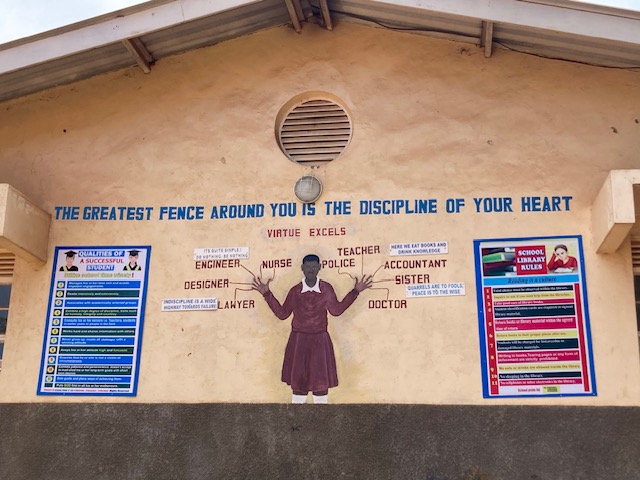
Every trip brings with it encounters that leave a lasting impression: the suffering of mothers who see their children losing years of schooling, the mental fragility of those who have lost everything, the lack of prospects, the indifference of communities that are unable to welcome them. These are difficult moments that stay with you.
Yet, if I had to choose a “most powerful” moment today, I would choose among many, a moment of rebirth. I think of the resilient looks on the faces who continues to rebuild bombed schools and houses in Myanmar, where the conflict restarted in 2021 has left a population exhausted but not defeated. In those people, I see the strength to start again, the same strength that reminds me that even in the most wounded places, something always continues to move, to sprout.
The project emphasises the importance of discernment and the Ignatian ‘Magis’. How do these principles help you to guide your choices and find God in everything?
I believe that my formation was influenced by the concept of Magis, which does not mean always to do or give ‘more’ to the point of exhaustion. Magis is the value of striving for the better, striving for excellence – taking it to the meaning of living fully, deeply, serving selflessly.
Certainly, the relationship with the Society of Jesus had an impact in my life, because I realised the importance of having a spiritual interest to open myself to the needs of the people we serve. In the humanitarian world, as in other areas, there is obviously a need for competence, preparation, experience, adaptability, flexibility and emotional intelligence. Having said that, I believe it is also crucial to have a kind of competence that I would define underground, that helps you put yourself in a deep listening condition because you have developed the ability to listen to yourself and others.
What would you like to say to other women – religious or lay – who work every day, often in the shadows, to spread the Gospel through service and love?
To women who, with patience and dedication, often work far from the spotlight, I would like to say not lose faith in the value of their work. Many very essential things, in fact, grow in silence: relationships, hopes, gestures that hold communities together.