Communities shaping mental health and psychosocial support
09 October 2026
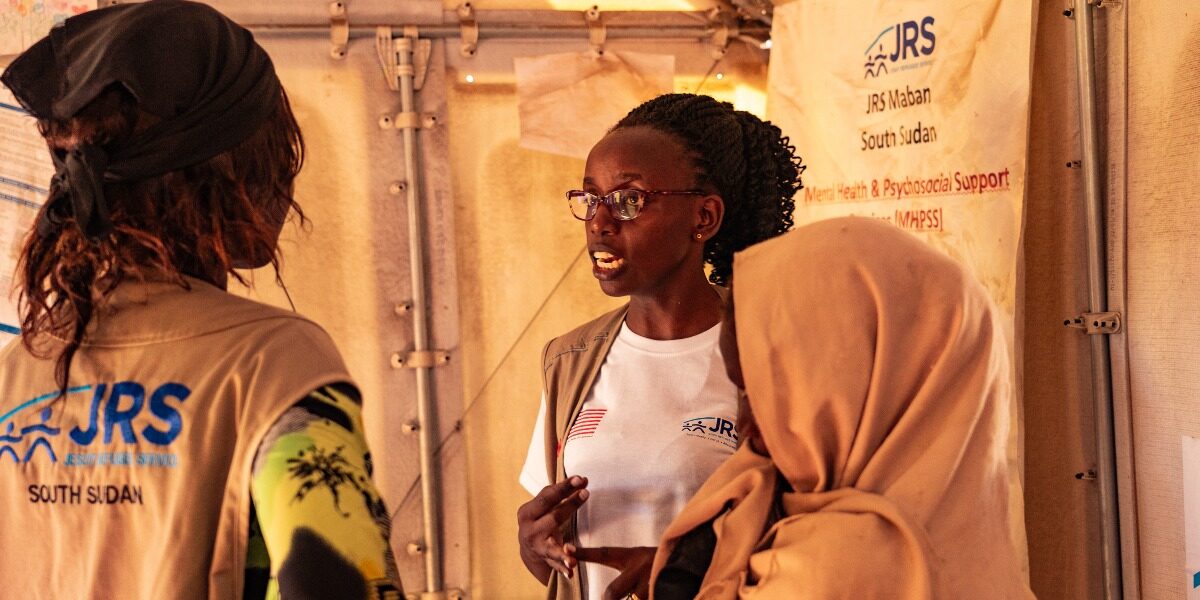
Forced displacement can leave deep wounds. Mental health and psychosocial support (MHPSS) help people heal, rebuild their lives, and contribute to their communities. Yet many people cannot access this support due to underfunding, stigma, shame, and barriers to seeking help.
This year’s World Mental Health Day calls on us to listen to people with lived experience and recognise their knowledge as expertise. It asks not only that their stories be heard, but that their voices and expertise shape the services and decisions that affect their lives.
For refugees and displaced people, lived experience includes fleeing home, losing loved ones, livelihoods, and support networks, and rebuilding life in unfamiliar places. Those who have lived through these experiences understand what helps and what does not. That is why JRS advocates for refugees to play an active role in shaping and delivering MHPSS support within their own communities.
Community-based support helps bridge this gap by bringing care closer to where people live. Trained refugees and host community members can identify distress, offer initial support, and connect people to specialised services. Because they share the language, culture, and the experience of displacement, they are often trusted in ways that outside professionals are not.
South Sudan and Chad: neighbours who have walked the same road
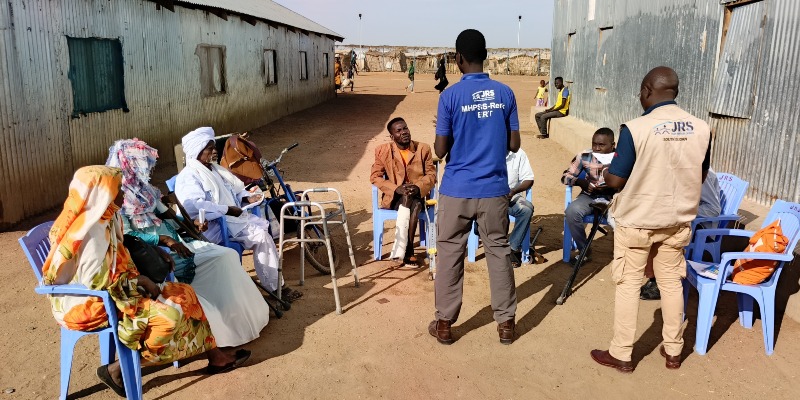
In South Sudan and Chad, JRS trains refugees and host community members as community counsellors. Living alongside the people they support and often sharing similar experiences of displacement, they are trusted figures who can identify distress, provide initial support, codesign and facilitate group activities based on the communities’ needs, and connect people with specialised services when needed.
In Chad, community counsellors work with children, young people, and families through counselling, awareness sessions, and recreational activities that help participants manage stress, build self-esteem, strengthen relationships, and find safe spaces to discuss their challenges. In South Sudan, counsellors support newly arrived refugees as they navigate displacement and adapt to their new environment.
“We do door-to-door awareness in the settlement. But we also run group sessions inside the reception centre, especially for new arrivals. They need to gradually understand what is happening, how to settle well, and how to avoid problems. I use my age, my language, my nationality to help people feel safe and welcomed,” Alamedin, paracounsellor, Renk
Alamedin’s words capture what lived experience brings: a shared language, a shared identity, and the credibility of someone who knows what displacement struggle feels like.
Lebanon: Starting from what people say they need
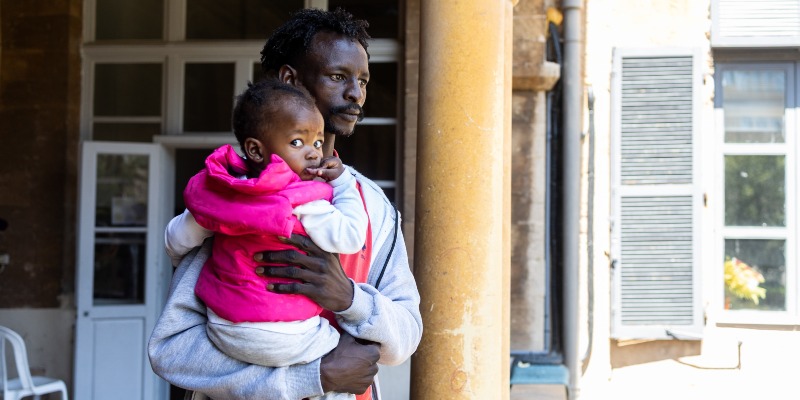
During the 2026 crisis in Lebanon, JRS supported migrant workers sheltering at St Joseph Church in Beirut. Alongside meeting urgent basic needs, the team created space for people to identify their own concerns and priorities.
During an MHPSS awareness session on positive parenting and bullying, one father asked for help rebuilding communication with his son. Through ongoing support, they gradually began talking more openly and left the shelter as a stronger family unit. During the same period, several young men turned to the social worker for support to find their path forward. JRS held individual sessions to help them apply to universities and scholarships, explore career options, and search for jobs. Now that the shelter has closed and families have returned home, the boys’ mothers shared an update: two of the young men have since registered at university and begun their academic journey, while the third successfully found a job and is now supporting his family.
These experiences show the importance of listening rather than assuming what people need. The most effective support starts by listening to what people say they need.
Investing in community based MHPSS support
In South Sudan, Chad and Lebanon, the lesson is the same: people with lived experience are best placed to understand the challenges facing their communities and the support that is needed. When communities play a leading role in shaping and delivering support, it is more likely to be trusted, relevant and lasting. In long crises, funding may come and go, but the skills and relationships built within communities remain. Sustaining this work means ensuring that community counsellors, many of them displaced themselves, have access to ongoing training, supervision and support for their own wellbeing.
Explore more