Accompaniment as the heart of education in displacement
31 March 2026
The following reflection was written by Sr Joji “Jeck” Z. Silorio FI, JRS Basic Education Programme Staff in Mae Hong Son, Thailand.
A young teacher once told a struggling student in a refugee classroom, “My role is simply to teach you; if you cannot follow my pace, that is no longer my concern.”
The statement lingered with me long after the conversation ended. It raised a question that continues to shape my understanding of education: What is the teacher’s role in the life of the learner, especially in contexts marked by vulnerability and displacement? Is teaching merely the transmission of knowledge, or does it carry a deeper responsibility toward the formation of the whole person?
This reflection emerges from that question. Drawing from classroom experience and faith-informed educational reflection, this article considers teaching as both a profession and a ministry. It argues that while professionalism is essential, education finds its fullest meaning when lived as accompaniment a sustained commitment to walk with learners as they grow in knowledge, dignity, and hope.

Teaching as a profession: A necessary foundation
Teaching is rightly understood as a profession. It requires preparation, pedagogical competence, ethical accountability, and continuous learning. Teachers design learning experiences, assess progress, manage classroom environments, and guide students toward intellectual development. Through these responsibilities, education contributes to the common good by forming responsible and capable members of society.
Professional ethics remind educators that teaching is not merely technical work but moral practice. Teachers are entrusted with the care of persons, not simply the delivery of content. Integrity, fairness, and respect for human dignity are therefore central to professional identity.
Yet professionalism alone can unintentionally narrow the meaning of teaching when reduced to efficiency, compliance, or task completion. In such cases, learners risk becoming recipients of instruction rather than persons undergoing formation. This limitation becomes particularly visible in refugee and marginalised contexts, where learners’ educational needs are inseparable from their lived realities.
Teaching as ministry: Education as accompaniment
The word ministry comes from the Latin ministerium, meaning service. To speak of teaching as ministry is therefore not to abandon professionalism but to deepen its purpose. Teaching becomes a vocation oriented toward the flourishing of others.
Within the Christian tradition, ministry is characterised by presence and relationship. Jesus taught not only through words but through accompaniment, walking with people, listening to their stories, and responding to their concrete realities. Education shaped by this vision recognises learning as fundamentally relational.
Teachers and learners participate together in a shared journey of growth, where knowledge emerges through encounter and mutual respect.
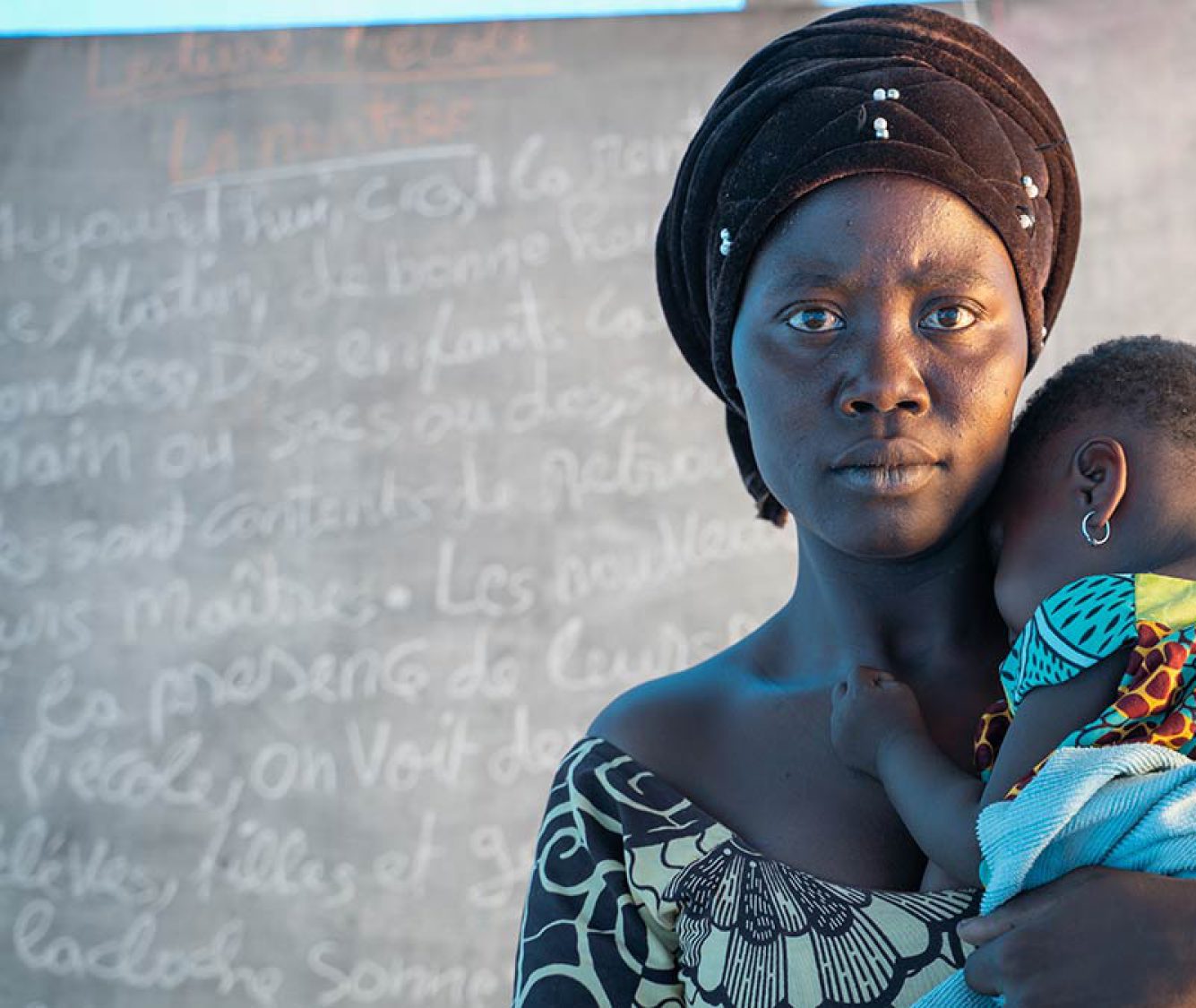
In refugee education, accompaniment becomes especially significant. Learners often carry experiences of loss, instability, or interrupted schooling. Classrooms are therefore not neutral spaces but places where suffering and hope meet. Teaching as ministry means recognising that education involves walking alongside learners as they rebuild confidence, meaning, and future possibility.
The teacher’s presence: A quiet pedagogy of care
Every learner enters the classroom with an unseen story. Some carry grief, anxiety, or responsibilities beyond their years. In these circumstances, the teacher’s presence itself becomes a form of pedagogy.
Patience, attentiveness, and encouragement communicate values as powerfully as lesson plans. Educators inevitably teach through who they are as much as through what they teach. This invites ongoing self-reflection: Does my presence nurture hope? Do my words affirm dignity? Do my expectations create pathways for growth?
When learners experience genuine concern and respect, education becomes transformative rather than merely informative. Students grow not only academically but also in confidence, responsibility, and belonging.
Teachers can guide, protect, and equip learners with skills for sound judgment, but they cannot choose on their behalf. Growth necessarily involves risk, failure, and the freedom to return.
Teachers are not controllers of behavior, but companions in formation. Their task is to provide intellectual nourishment, ethical grounding, and supportive presence, trusting that learners will gradually exercise freedom responsibly. Teaching as accompaniment respects the learner’s freedom while remaining steadfast in care.
Teaching as a ministering profession
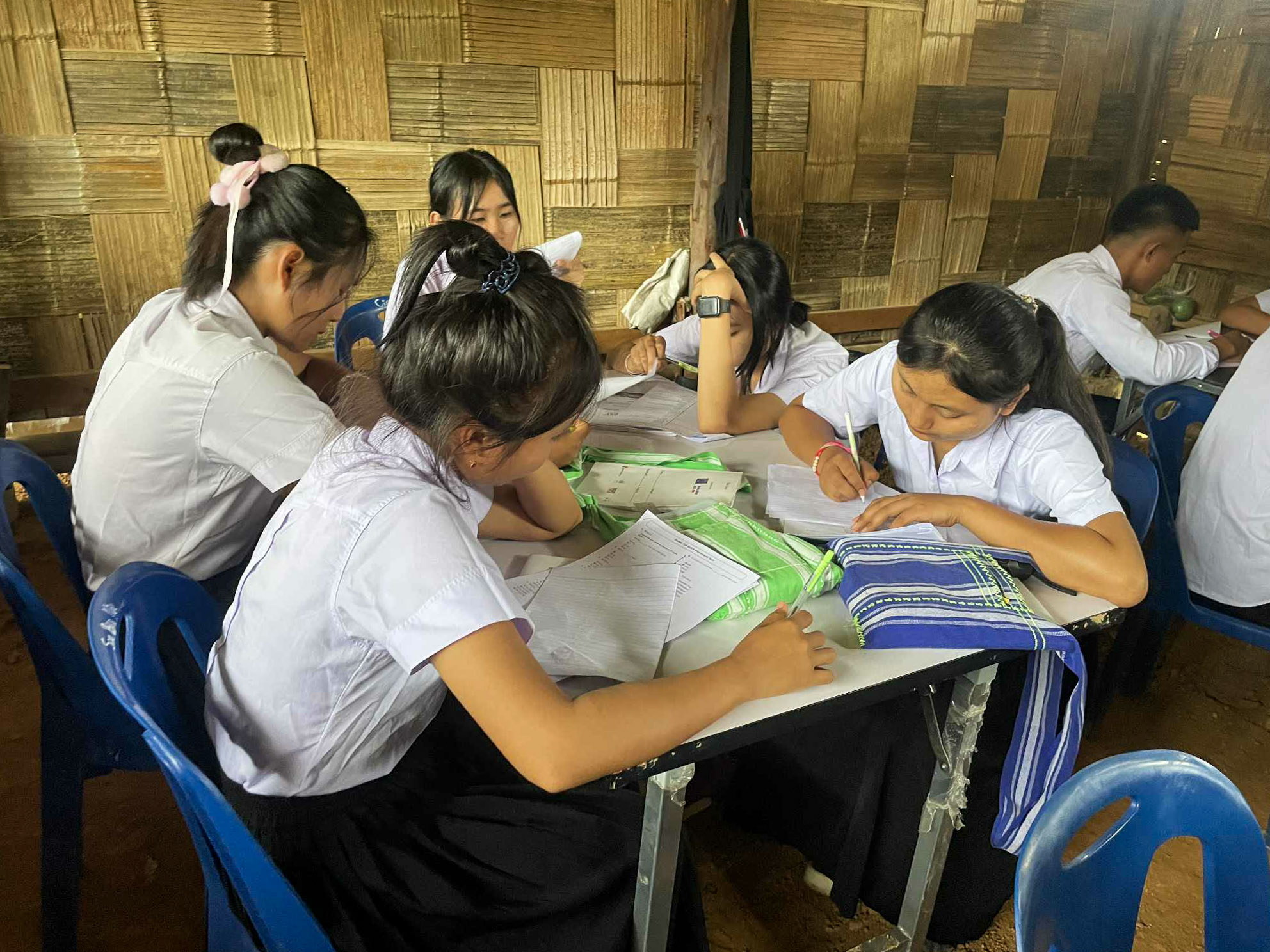
The nobility of teaching lies in the integration of profession and ministry. These dimensions are not competing identities but complementary aspects of a single vocation. Professional competence ensures quality accountability, and credibility; ministry gives education meaning, relational depth, and hope.
When teaching is lived as a ministering profession, educators do more than transmit knowledge. They accompany learners toward wholeness, freedom, responsibility, and human flourishing. While teachers cannot ultimately control the choices their students will make, they can act with integrity, care, compassion, and commitment to human dignity, thereby embodying education in its most humanising and transformative form.
Explore more