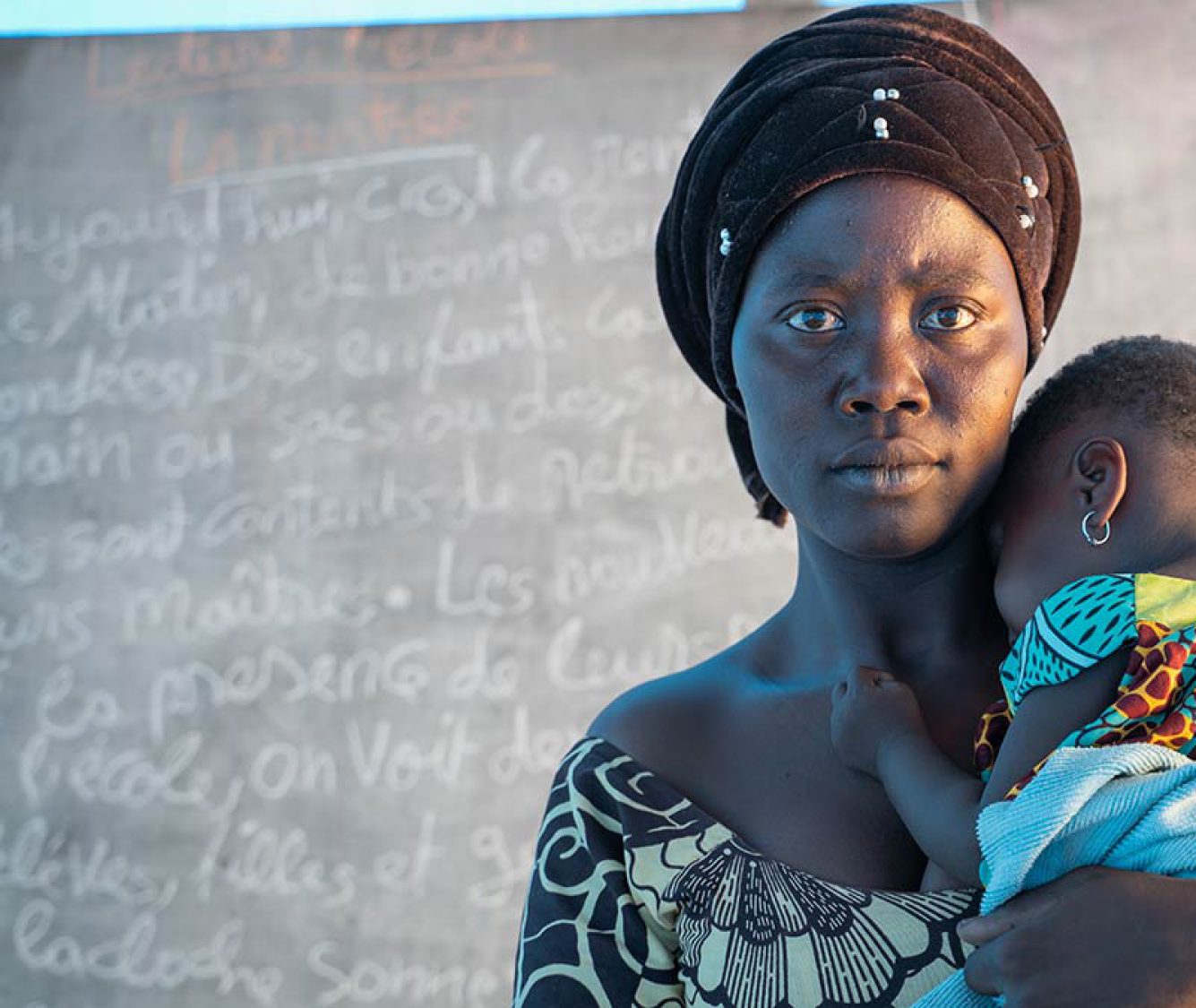
The ongoing conflict in Ethiopia’s Oromia and Somali regional areas has triggered a growing displacement crisis in Moyale, Marsabit County, northern Kenya, with tens of thousands of people crossing the border in search of safety.
According to the Kenya Red Cross Society’s Situation Report 033, dated 11 November 2026, an estimated 58,883 people, representing 11,777 households, have been displaced. Of these, 36,384 are staying with host communities, while another 22,499 are accommodated across ten displacement sites.
The rapid arrival of displaced families is placing increasing pressure on already stretched local resources and essential services, affecting both those seeking refuge and the communities hosting them.
Growing humanitarian needs
The humanitarian situation remains critical, with displaced families facing significant challenges in accessing food, safe water, adequate shelter, healthcare and essential protection services.
Food assistance remains an urgent priority, while shortages of emergency shelter materials and inadequate sanitation conditions are increasing health and protection risks. Rising food prices and disruptions to local supply routes are also placing additional pressure on households already experiencing economic hardship.
Children account for approximately 58 per cent of the affected population, while women and girls represent approximately 53 per cent. These vulnerabilities underscore the importance of ensuring that humanitarian assistance responds to the specific protection, psychosocial and other needs of children, women and other at-risk groups.
The crisis is also affecting host communities, many of whom have opened their homes to displaced families despite facing their own economic and resource constraints.
A coordinated humanitarian response is essential
The response is being coordinated through government-led humanitarian mechanisms, bringing together national and county authorities, United Nations agencies, the Kenya Red Cross Society and other humanitarian organisations.
As the situation evolves, sustained coordination and additional humanitarian resources will be essential to address immediate needs, strengthen protection services and support both displaced populations and host communities.
Jesuit Refugee Service (JRS) recognises the importance of a coordinated, needs-based response that prioritises the dignity, safety and wellbeing of people affected by displacement.
JRS Kenya is following developments closely and exploring how its experience in psychosocial support and community-based programming could contribute to addressing identified gaps, in coordination with relevant humanitarian actors and local partners.
A call for solidarity
The situation in Moyale calls for continued attention and solidarity from the humanitarian community, international partners and other stakeholders.
Supporting the coordinated humanitarian response is essential to ensuring that displaced families can access the assistance and protection they urgently need, while strengthening the capacity of host communities to cope with the growing pressures.
Explore more