“Our Common Home, our Common Climate, our Rights: Voices of the Displaced”
07 July 2026
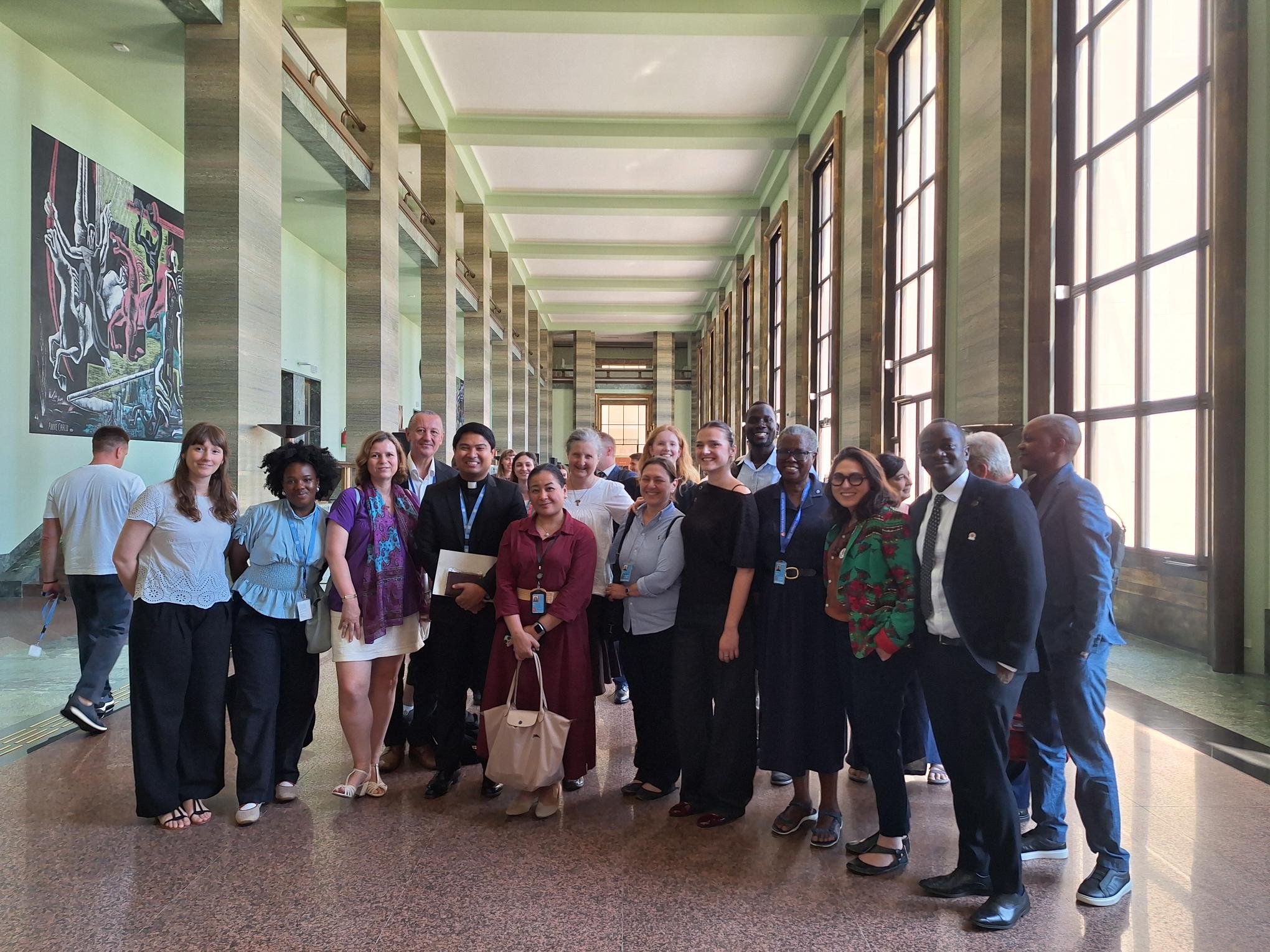
On 24 June, during the 62nd session of the Human Rights Council in Geneva, the Jesuit Refugee Service (JRS), together with Catholic-inspired organisations including Caritas Internationalis and the International Catholic Migration Commission (ICMC), convened the event “Our Common Home, our Common Climate, our Rights: Voices of the Displaced.” Supported by the Permanent Mission of the Holy See to the United Nations in Geneva, UNHCR and the Platform on Disaster Displacement (PDD), the event highlighted the growing reality of climate-induced displacement and the urgent need for stronger protection.
Held to mark World Refugee Day and the 75th anniversary of the 1951 Geneva Refugee Convention, the discussion underscored the importance of safeguarding the dignity and human rights of people forced to flee their homes, including those displaced by climate-related disasters.
Offering the Church’s perspective, Monsignor Riyyan Chaves Mendoza of the Permanent Mission of the Holy See to the United Nations in Geneva reflected on the human cost of climate change. “Only a culture of care, rooted in solidarity and charity, can effectively respond to climate change and ensure that no person vanishes in obscurity, silence and oblivity,” he shared.
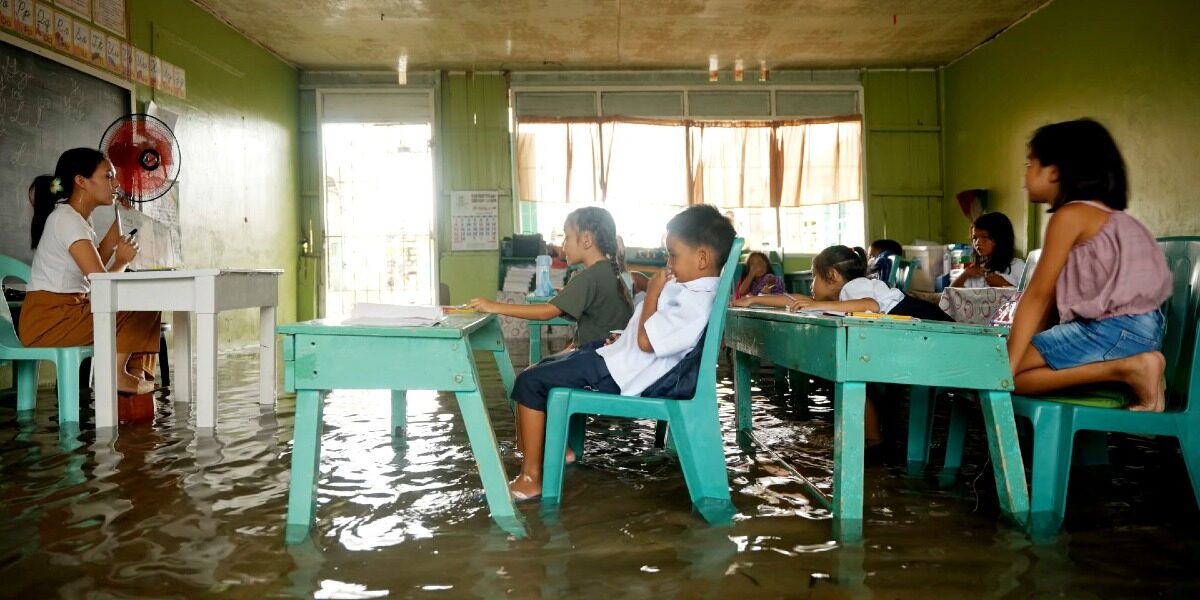
Representing JRS, Michel Anglade shared the experiences of communities in the Philippines, where around 20 cyclones strike each year and continue to increase in intensity due to climate change. An excerpt from the documentary “Sa Among Isla”: In Our Island featuring testimonies from residents affected by the devastating 2021 typhoon, illustrated the human consequences of climate-related disasters and displacement.
Drawing on Caritas Brazil’s experience, Taynara de Souza Dettman Adami described climate-related displacement as frequent yet often invisible, closely linked to existing social and economic vulnerabilities: “Families are not moving only once — many are being forced to move repeatedly, as disasters become more frequent and unpredictable,” she explained.
Andrea Leycona, of the Permanent Mission of the Republic of the Philippines and Vice-Chair of the Platform on Disaster Displacement, reflected on the documentary and her country’s continued exposure to climate-related risks. While acknowledging progress through national policies and plans, she noted that implementation remains constrained by limited resources and that climate impacts are evolving faster than institutions can respond.
Dina Ionesco, from UNHCR, reflected on the role of international protection frameworks in addressing climate-related displacement. She noted that refugee law can contribute to protection efforts, particularly where climate change interacts with conflict, poverty and other drivers of displacement. Highlighting available tools, including refugee law, complementary protection mechanisms, human rights frameworks and humanitarian action, she stressed the importance of linking responses to displacement with climate action and disaster risk reduction. Reflecting on the 75th anniversary of the Geneva Refugee Convention, she described the Convention as a “protection compass” guiding efforts to uphold dignity and fundamental freedoms.
During the question-and-answer session, a representative of Caritas Bangladesh read a letter from communities affected by climate change in the country. The letter called for greater international support to help communities respond to climate risks: “We do not know how we are responsible for this crisis. Yet we belong to this land… We ask the world to understand our suffering, recognise our rights, and take action for justice.”
In the concluding remarks, Harriet Hirst from the Office of the High Commissioner for Human Rights, highlighted the gap between existing human rights protections and their implementation. She identified three priorities: preventing foreseeable harm through stronger climate action and resilience-building measures; ensuring protection and assistance, particularly regarding food security and health; and guaranteeing meaningful participation of affected communities in decision-making.
Closing remarks from all panelists reinforced the urgent need for stronger rights-based policies, expanded protection measures, greater investment in social protection systems, and enhanced international cooperation.
“We need to put human dignity at the center of our action,” reiterated Michel Anglade, JRS Representative in Geneva, during the closing remarks.
Explore more