Economic Inclusion and Livelihoods
JRS’s priority for 2025–2029 is to catalyse the economic inclusion of forcibly displaced people by investing in pathways to dignified work, adopting a market-systems approach, and expanding equitable access to digital tools, skills, and infrastructure.
Economic inclusion is about ensuring forcibly displaced people can participate fully in local and online economies and community life. When refugee and affected communities come together to design and implement solutions to strengthen their economies, all members can constructively contribute to their new community while earning an income that satisfies their essential needs.
Economic inclusion strengthens social cohesion, lays the groundwork for local integration and, where possible, sustainable return, and is a primary way for people to regain agency over their lives, reducing aid dependence and protection risks like exploitation and unsafe work, and improving psychosocial wellbeing.
While most refugees wish to contribute proactively to their host communities, they often face systemic barriers that prevent them from accessing employment opportunities. These can include administrative restrictions (such as being unable to open a bank account), lack of recognition of prior skills or qualifications, employers’ lack of awareness of refugee rights, high national unemployment, limited language proficiency, and legal restrictions, or an absence of the right to work, as well as practical obstacles such as access to childcare, finance, or digital tools and connectivity.
JRS’s approach
JRS recognises the talent and resourcefulness of refugees, who wish to contribute productively to, and integrate peacefully with, their new communities. We listen to forcibly displaced communities and accompany them as they find ways to engage with and strengthen their economies and social fabrics.
We collaborate with refugee and host communities, refugee-led and community-based organisations, the private sector, Chambers of Commerce, financial service providers, governments, and educational and training institutions to develop market systems so that more displaced people can gain skills, secure employment, and start businesses.
We also work to address legal and policy barriers, promote decent and safe work, integrate climate resilience and digital inclusion into livelihoods programming, and ensure the sustainability of opportunities beyond external funding.
What we do
Our work is context-specific and community-driven. Although we do not apply a fixed model everywhere, many projects follow these steps:
- Preparatory phase: Build trust and accountability with communities, engage them to co-design the project, set clear goals, and identify target groups.
- Market analysis: Use research and interviews to identify sectors and value chains that offer sustainable employment or enterprise opportunities and align with community interests.
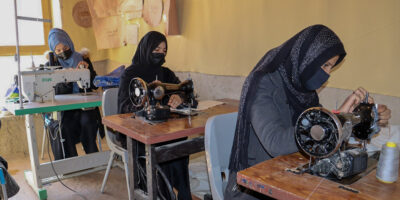
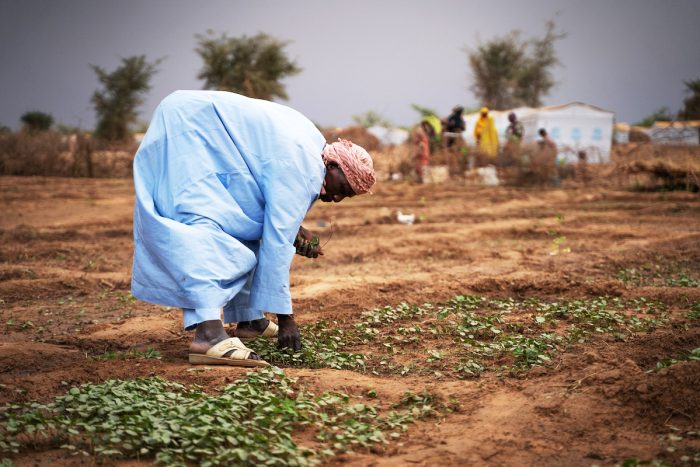
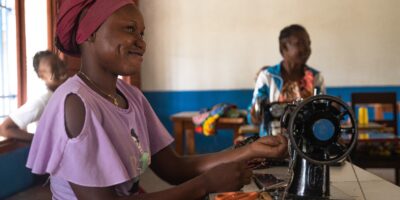
- Skills and recognition: Provide high demand skills training, including digital skills, support local recognition of prior learning and qualifications, and link training to real employment outcomes and opportunities, including helping families move from subsistence to more resilient and commercial agriculture or livestock production.
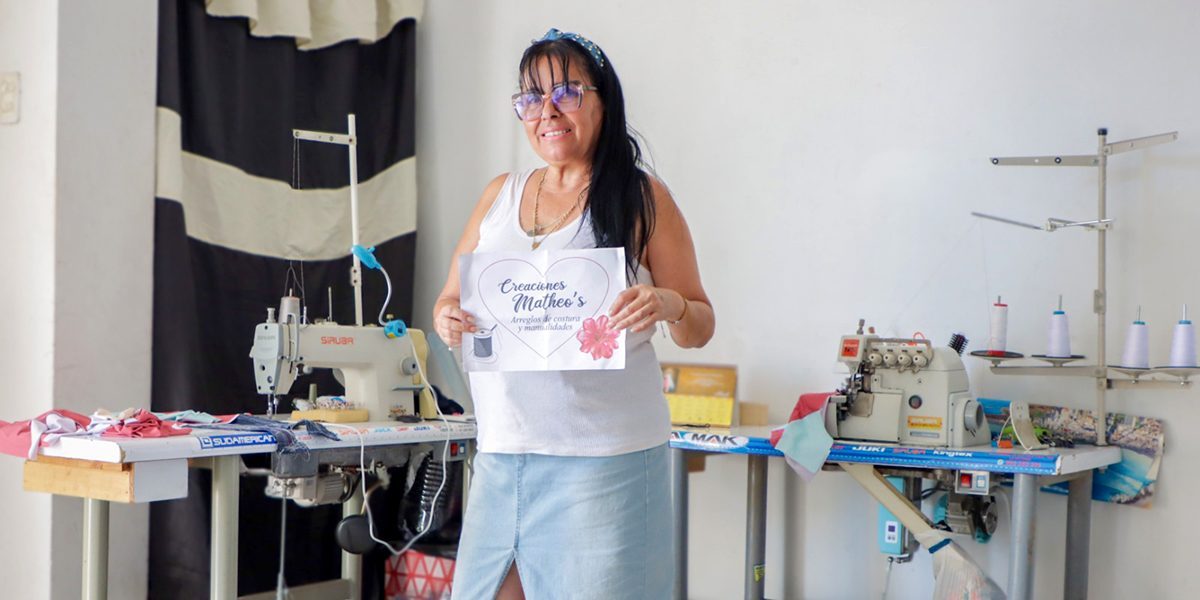
- Access to finance: Facilitate loans, savings groups, microfinance, and associations so refugees can access finance in thin markets; support people to meet documentation requirements and connect with banks and cooperatives; and provide entrepreneurship support such as business development mentorship and training and, where appropriate, seed capital for businesses.
- Enabling environment: Work with local authorities, Chambers of Commerce, private sector partners, and training institutes to remove systemic barriers that prevent refugees from starting enterprises or accessing employment.
Programme Stories
Beyond work: Why economic inclusion and self-reliance are key to refugee inclusion and dignity
01 May 2026
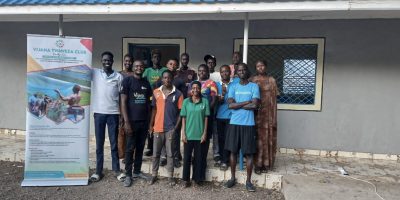
Refugee-led initiative fights hunger in Kakuma, Kenya
16 October 2025
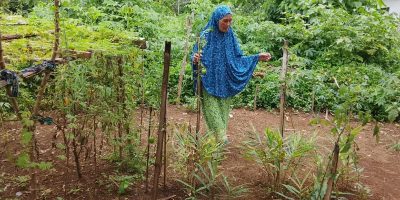
Inday’s vegetable garden supports displaced families in the Philippines
24 September 2025
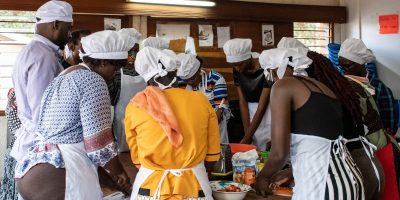
A Syrian family goes into the chocolate business
10 June 2025
Escaping Violence: a nail technician in Cameroon rebuilds his future one nail at a time
05 February 2025
Sewing stitches of hope in informal settlements in Afghanistan
27 December 2024