Lebanon: Responding to growing humanitarian needs
17 March 2026
In less than two weeks, the continuing escalation of violence in Lebanon has forced over 800,000 people to flee their homes. Needs are rising rapidly, particularly among the most vulnerable.
New and urgent humanitarian needs
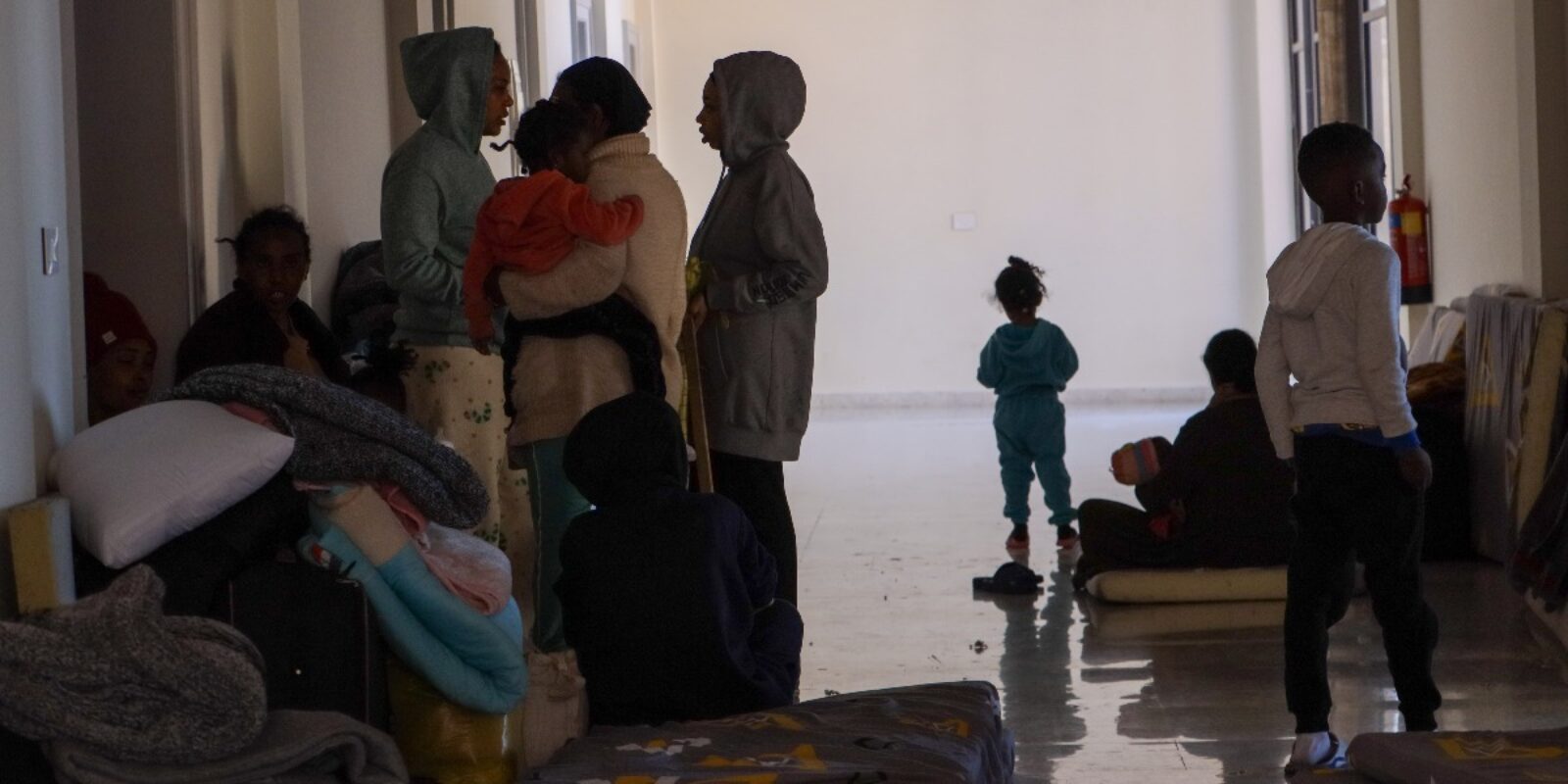
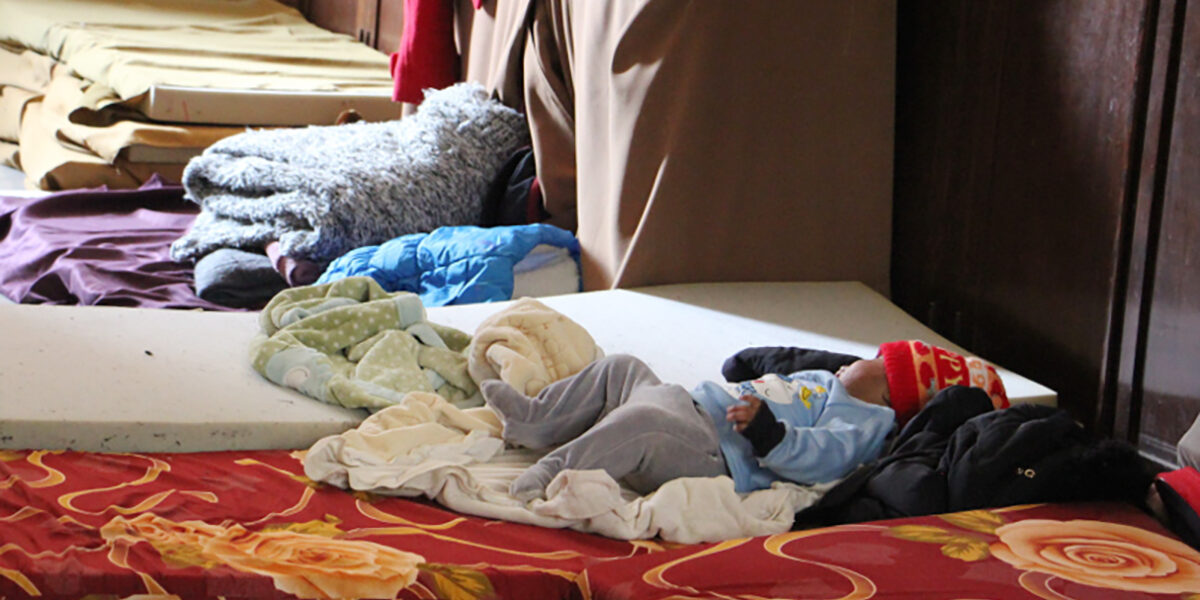
Many families fleeing Beirut’s southern suburbs and parts of the Bekaa left with only a few belongings. They are sheltering in crowded collective spaces or shared apartments, struggling to access food, hygiene items, and other essential necessities. Many are considering moving within Lebanon in the coming weeks, which reflects the continued instability facing many families.
Migrant workers continue to arrive at the Jesuit Church of St. Josep in search of protection, as public collective shelters typically prioritise Lebanese nationals and often turn non-Lebanese individuals away even before reaching full capacity. As a result, many migrants rely on community spaces, churches, and informal networks to find somewhere safe to stay.
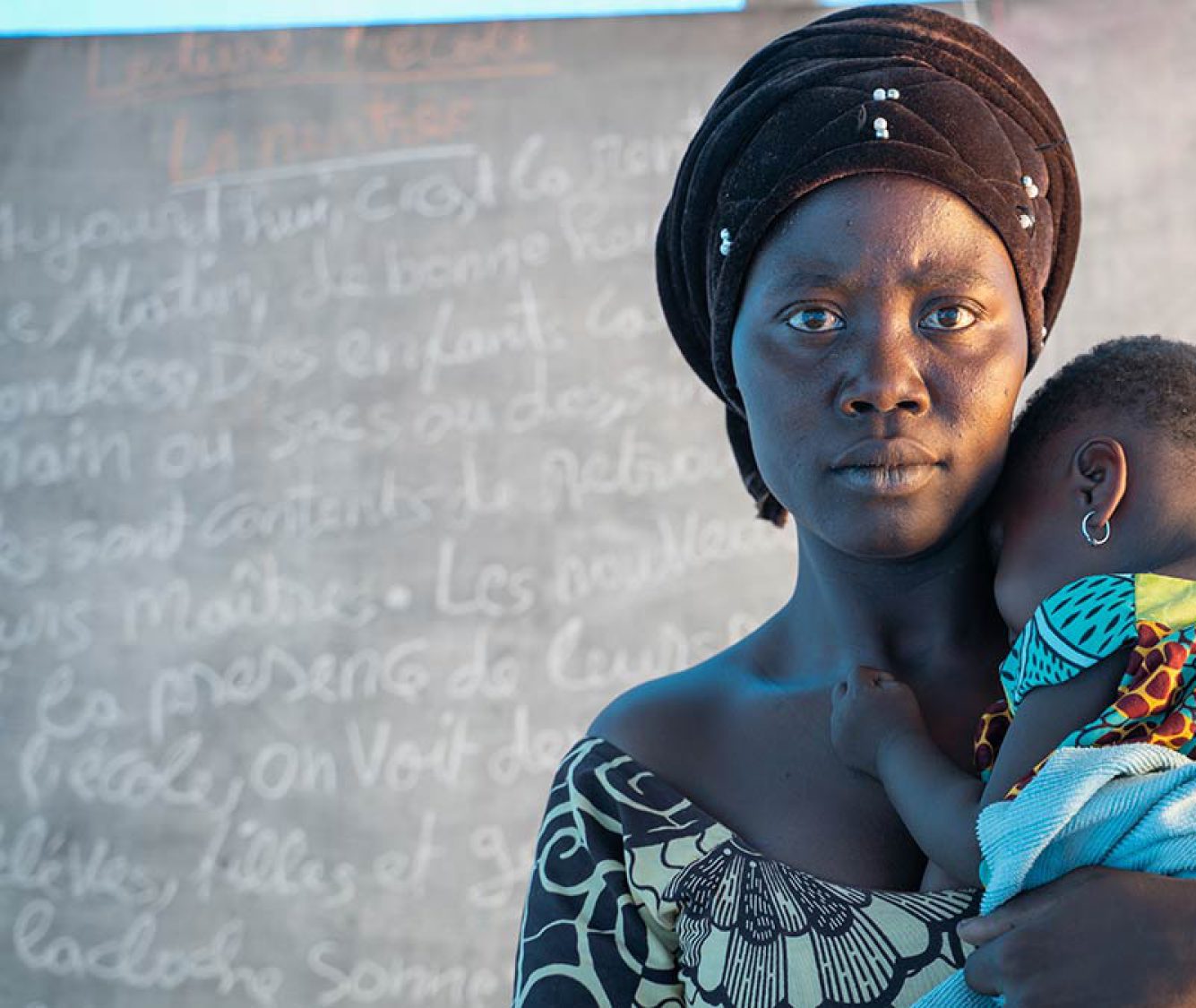
During the 2024 war, Zahraa gave birth to her youngest child while taking shelter with JRS. Now, as violence has returned, she has once again sought safety within the same walls. For Zahraa, as for many of the migrant people hosted in the church, this place has become more than a shelter; it is where they can find protection, care, and a brief moment of stability amid ongoing uncertainty. They lack the support system most Lebanese people have through their families or communities.
How JRS is adapting its services to respond to the crisis
Alongside the distribution of food baskets and essential items, we are adapting psychosocial support to prevent the harm that could come from an abrupt interruption of services. In recent days, many of the people we accompany have spoken of sleepless nights and difficulty focusing on everyday tasks, a reflection of the growing psychological pressure caused by the conflict.
JRS education teams are working to shift learning activities to a temporary online format, to preserve stability and restore learning for the children we serve.
We are also ensuring medical support through collaboration with local partners, with particular attention to pregnant women. To guarantee access to essential services, the JRS team is facilitating transportation for residents to medical facilities and, when necessary, to alternative shelters.
Amid this uncertain and rapidly evolving reality, JRS Lebanon is working to remain close to the people, adapting programmes to ensure continuous support for the vulnerable communities we serve.
The support of people like you is essential in these times of crisis. Your donation enables us to respond quickly to the emerging needs and protect as many people as possible. Donate now.

Explore more