2025 in review: Four defining moments of hope
27 December 2025
2025 has been a challenging year, yet, it has shown us something deeper: if we get together and support each other, we can still hope for a future where nobody is left behind.
This year has marked a dangerous change for the lives of the most vulnerable. We have witnessed first-hand the shift towards a new world order in which solidarity, care, and the equal dignity of all people have come under severe attack.
Escalating violence across the world, increasing natural disasters, and growing scarcity of resources continue to displace millions. Still, the international system created to support refugees and forcibly displaced people is being dismantled. There is growing hostility and indifference towards refugees and migrants, who are subjected to cruel and inhumane treatment. In this new global environment, the most vulnerable are no longer just neglected, they are now being actively excluded.
Despite this, we have learned that hope can endure even in the most desperate circumstances when we get together. If we cultivate a culture of solidarity we can create a future in which peace and human dignity prevail.
Below, discover the four defining moments of hope that have shaped our 2025:
1. Communities continued supporting one another despite the funding cuts:
When cuts to humanitarian aid were announced, JRS like many other organisations, was forced to close offices, reduce staff, and slash budgets. This has affected vulnerable communities across the globe.
“Some [people] arrive in the camps or the reception centres thinking their life is over. But if they understand the other communities, if they are guided towards an inter-community vision, they can support each other,” Alamedin Abdulrahman, Sudanese refugee working with JRS as home visitor in South Sudan.
In countries such as Uganda and South Sudan, we have continued to respond by strengthening our community-based approach. “How can we continue to support communities in becoming more self-reliant and resilient with less available funding? We want to build on the resilience so far built with the people we have been working with,” Christina Zetlmeisl, JRS Uganda.
2. The passing of Pope Francis and Pope Leo’s commitment to countering the tide of indifference:
When Pope Francis passed away refugees lost an unwavering and passionate defender. Throughout his life, he always stood with refugees and exhorted us to do the same.
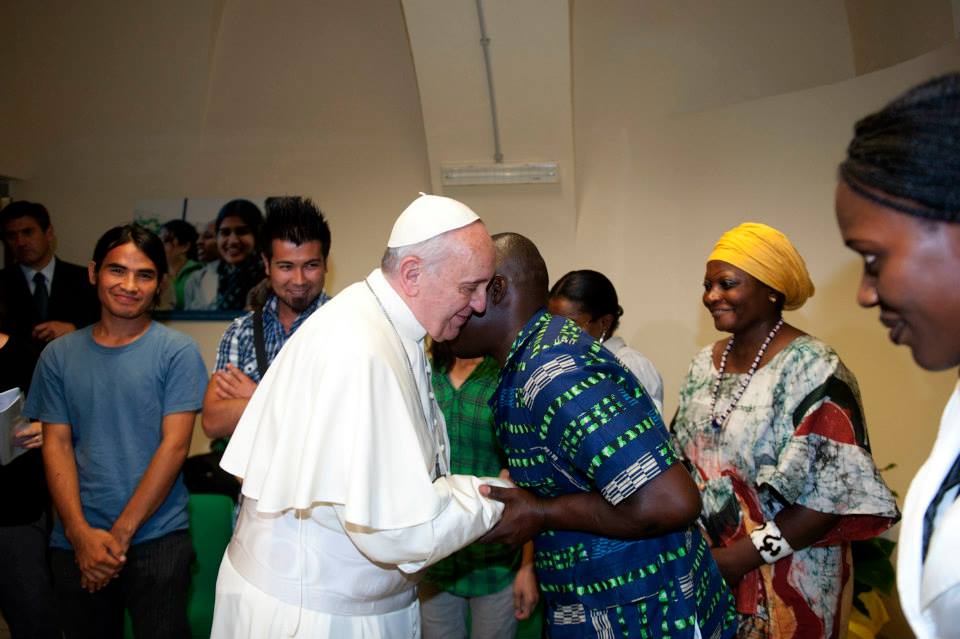
Pope Leo XIV has reaffirmed the Church’s strong commitment towards migrants and refugees. In his first apostolic exhortation, Dilexi Te, he recalled: “the Church, like a mother, accompanies those who are walking. […] And she knows that in every rejected migrant, it is Christ himself who knocks at the door of the community.”
In his homily for the Jubilee of Migrants, Pope Leo urged us to open our arms and hearts to the people who arrive from wounded lands. Inspired by this call, we at JRS gathered to walk alongside displaced communities. JRS offices worldwide organised pilgrimages, processions, Masses, and public prayers with refugees and the communities that welcome them, bringing people together and inspiring a global movement that builds bridges of hope and solidarity.

3. Refugees have been bearers of hope even in the most difficult moments
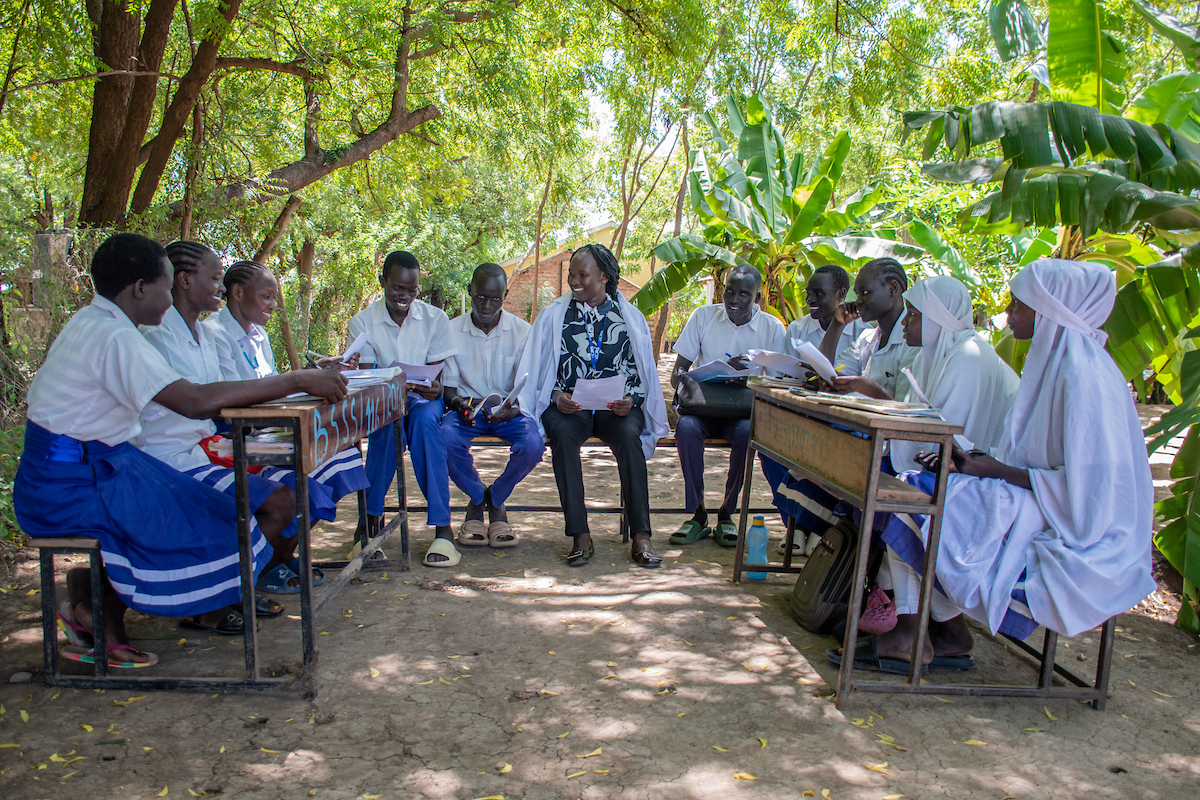
Recho has been declared national hero in Kenya
Recho, JRS teacher in Kakuma refugee camp was declared one of this year’s national heroes of Kenya for her work on environmental issues at the school where she teaches in Kakuma. Starting from zero, she managed to create a lush, green oasis with a vegetable garden that is now supplementing meals of vulnerable students.
Faith has fulfilled her dream of working in a pastry shop in Italy
Faith fled Nigeria and crossed the Mediterranean — one of the most dangerous routes — to reach Italy. Once there she was welcomed by the Centro Astalli/JRS Italy.
In Rome, she has finally been able to fulfil her dream and work in a pastry shop.
“I’m finally happy again,” Faith, refugee from Nigeria.
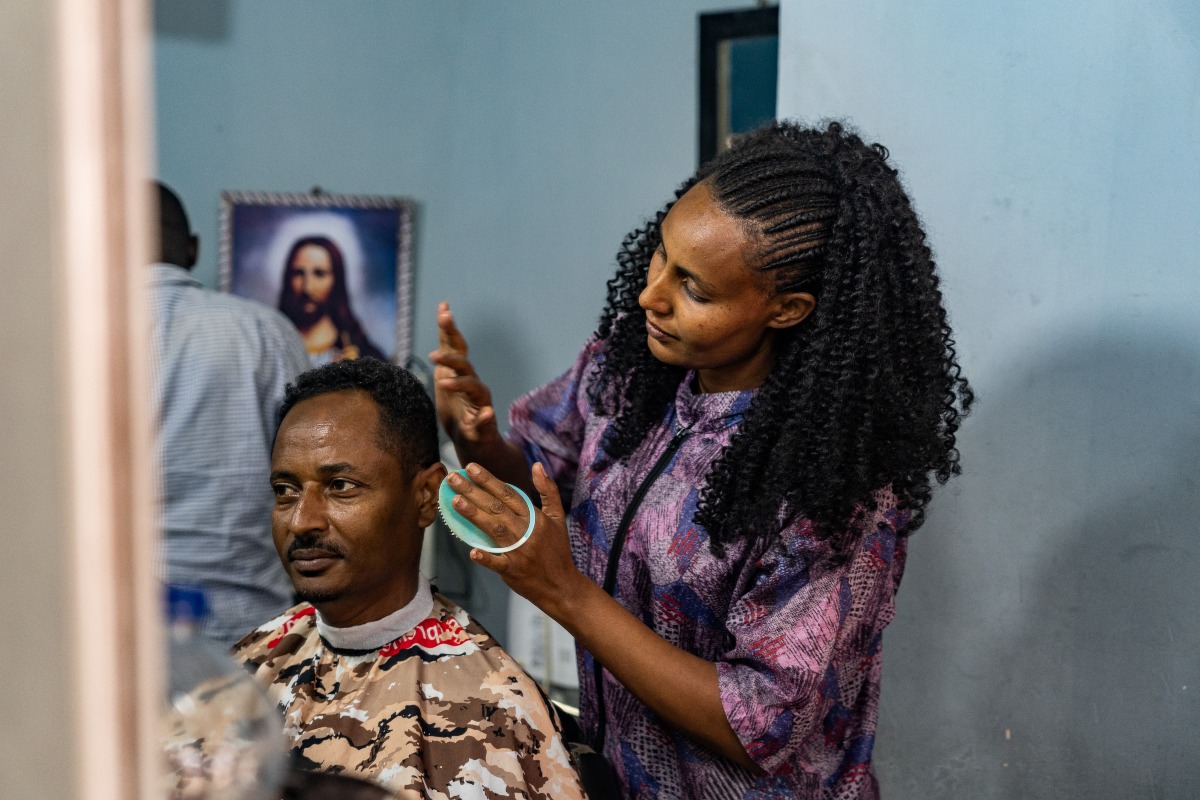
Lemlem and Isaac have opened their own barber shop in Ethiopia
Lemlem and her husband Isaac lived for several years in a refugee camp on the border with the Democratic Republic of Congo, until the government allowed them to return to Addis Ababa, Ethiopia. There, they finally realised their dream: opening their own barbershop to support their family and their community.
4. We are called to build communities of solidarity
In the face of these challenges, many people around the world have refused to join this withdrawal of solidarity. They have shown us that a different world is possible.
Through concrete acts of solidarity at the local level, we make it possible for all to contribute to a shared future — one in which everyone is welcomed, respected, and valued.
We have no more excuses. We must come together and act—now. Help us build communities of solidarity.
Explore more